Modern glass room extensions: costs, styles, and design inspiration
Glass rooms, your options to get the perfect glass space to use all year round

Introduction: Why Glass Room Extensions Are Booming
Glass room extensions have become one of the most sought-after home improvements in the UK. Whether you’re looking to create a bright garden room, a seamless indoor-outdoor connection, or a modern architectural feature, a glass extension offers a sleek and practical solution.
Unlike traditional brick extensions, glass room extensions maximise natural light, enhance views, and instantly elevate your home’s aesthetic. From minimalist frameless glass boxes to practical lean to glass box extensions, there’s a design to suit every property.
What Is a Glass Room Extension?
A glass room extension is a structure primarily made from structural glass panels, often supported by minimal framing. These extensions can be added to the rear, side, or even between buildings to create a light-filled living space.
Common types include:
- Frameless glass extensions
- Lean to glass box extensions
- Glazed garden rooms
- Glass link corridors between buildings
These structures use high-performance glazing, ensuring they are not only visually stunning but also energy efficient.
Types of Glass Extensions
Frameless Glass Extensions
These are the most modern option, using structural glass with minimal visible supports. Perfect for high-end, contemporary homes.
Lean To Glass Box Extension
A lean to glass box extension is a more cost-effective option, typically attached to the rear of a property with a sloping roof. Ideal for kitchens, dining areas, or garden rooms.
Glazed Extensions
A glazed extension combines glass with other materials like aluminium or steel, offering a balance between cost and design flexibility.
Benefits of Glass Room Extensions
1. Flood Your Home with Natural Light
Glass allows maximum daylight into your space, reducing the need for artificial lighting.
2. Seamless Indoor-Outdoor Living
A glass room extension creates a strong connection between your home and garden.
3. Increase Property Value
High-quality glass extensions are a premium feature that can significantly boost your home’s value.
4. Modern Aesthetic Appeal
Clean lines and transparency create a contemporary look that stands out.
Glass Extension Cost: What You Need to Know
One of the most common questions is around glass extension cost. Prices can vary depending on size, specification, and complexity.
Typical UK Costs
- Small glass extension: £15,000 – £30,000
- متوسط-sized extension: £30,000 – £60,000
- High-end frameless glass extension: £60,000+
What Affects the Cost?
- Type of glass (double vs triple glazing)
- Structural requirements
- Size and design complexity
- Installation method
- Planning and building regulations
While the upfront glass extension cost may be higher than traditional builds, the long-term benefits often outweigh the investment.
Planning Permission & Regulations
Many glass room extensions fall under permitted development, but this depends on:
- Property type
- Extension size
- Location (e.g. conservation areas)
You’ll still need to comply with:
- Building regulations
- Thermal performance standards
- Structural safety requirements
Always consult a professional before starting your project.
Design Considerations for Glass Extensions
Orientation & Sunlight
Position your glass room extension carefully to avoid overheating. South-facing designs may require solar control glass.
Ventilation
Incorporate opening panels or roof vents to regulate temperature.
Privacy
Consider frosted or tinted glass where needed.
Integration with Existing Structure
A well-designed glass extension should complement your home, not look like an afterthought.
Energy Efficiency & Performance
Modern glass room extensions use advanced glazing technology:
- Low-emissivity coatings
- Solar control glass
- Thermal breaks in frames
This ensures your glass rooms extensions remain warm in winter and cool in summer.
Is a Glass Extension Right for You?
A glass extension is perfect if you:
- Want a bright, open living space
- Love modern architecture
- Want to maximise garden views
- Are looking for a premium home upgrade
Conclusion
A well-designed glass room extension is more than just extra space — it’s a lifestyle upgrade. Whether you choose a sleek frameless design or a practical lean to glass box extension, the result is a stunning, light-filled area that transforms how you live in your home.
With careful planning and the right materials, your glass extension can become the standout feature of your property
The glass extension cost typically ranges from £15,000 to £60,000+, depending on size and specification.
Related Content
Discover more content related to this blog
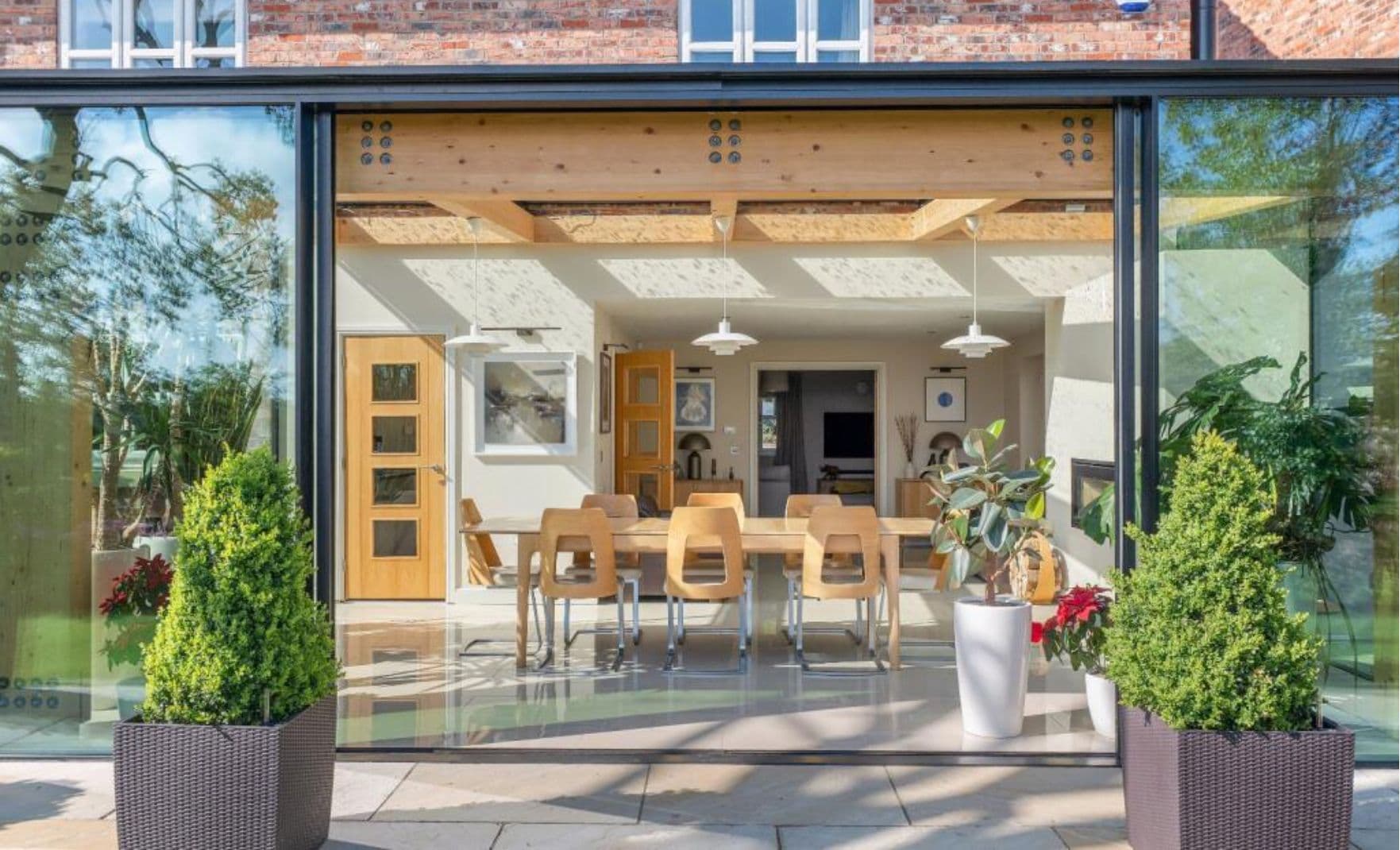
A plain summary of the 2027 Part L changes as they affect windows, doors, rooflights and glazed extensions — dates, transitional rules, the numbers that moved and the ones that didn't, and what to do on live projects now.

Part O caps the glazed area of every new home room by room, by orientation and ventilation. The moderate-risk figures for Liverpool, Manchester and the North West, what happens when a design exceeds them, and how to keep the big glass.

From 24 March 2027 every window on a new home must be calculated at its real size with every frame component included. What changes, who it catches, and how steel, aluminium and structural glass get to 1.2 W/m²K.
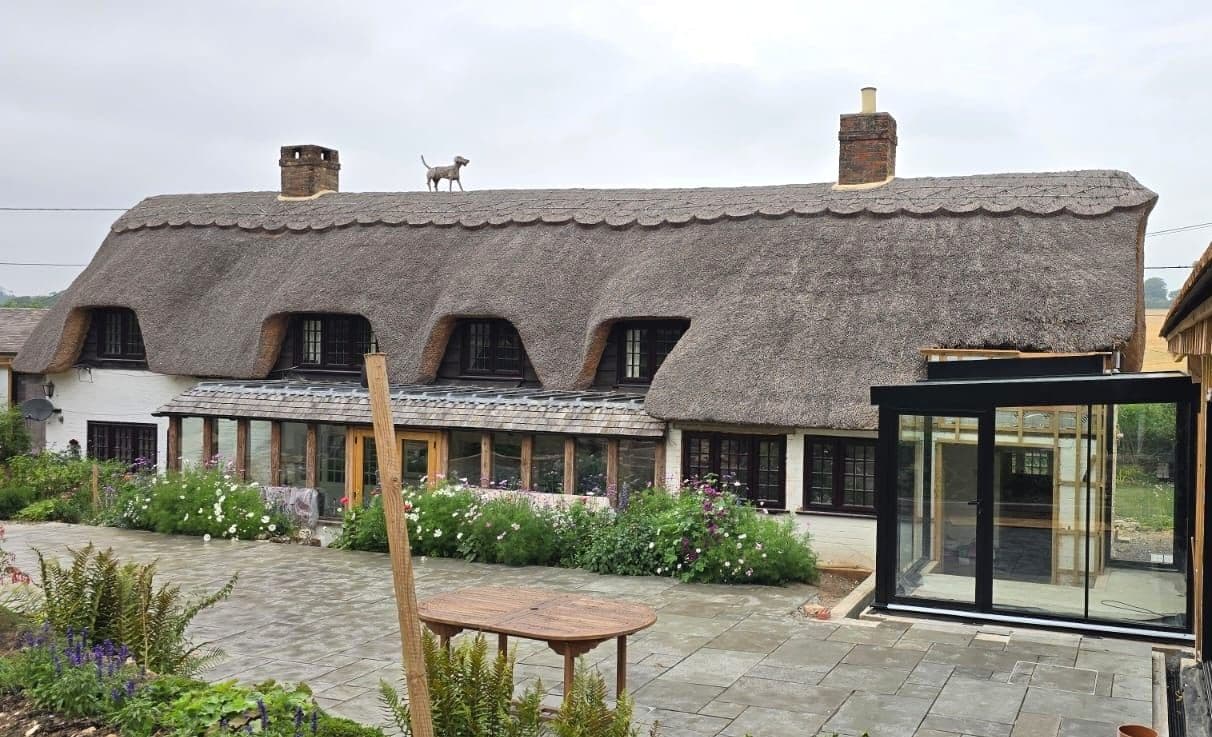
Most of the houses we glaze are old. Georgian terraces in Liverpool, Victorian villas in Cheshire and South Manchester, stone farmhouses in Lancashire and the Dales. Here is why structural glass tends to be the extension that gets approved on a period home, and how the old wall and the new glass are made to meet.
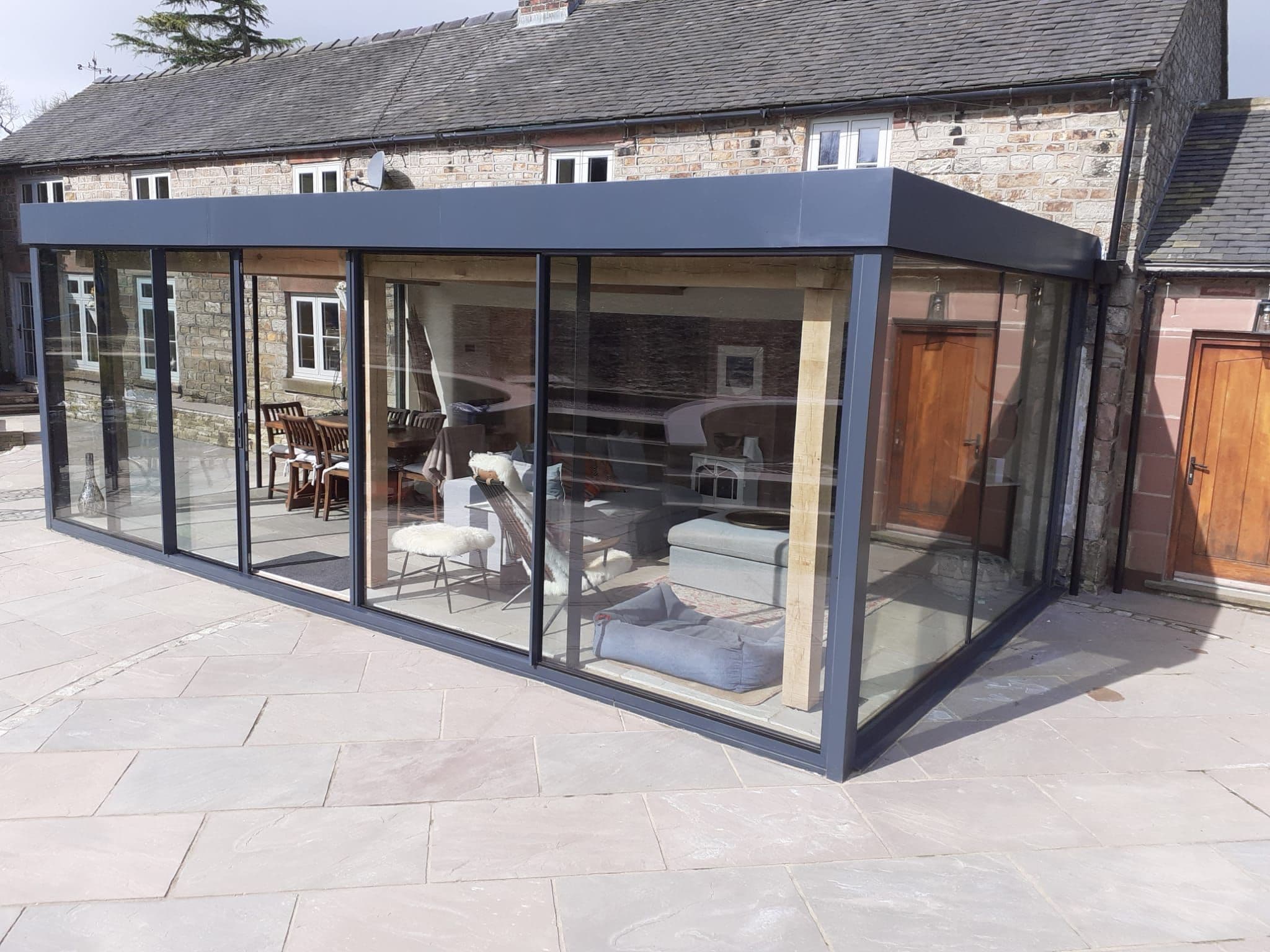
People planning a glass box, link or corridor usually want to know two things: how long it takes and what happens in between. This is the sequence every one of our North West projects follows, from the first site visit in Cheshire, Lancashire or Merseyside to the day the glass goes in.
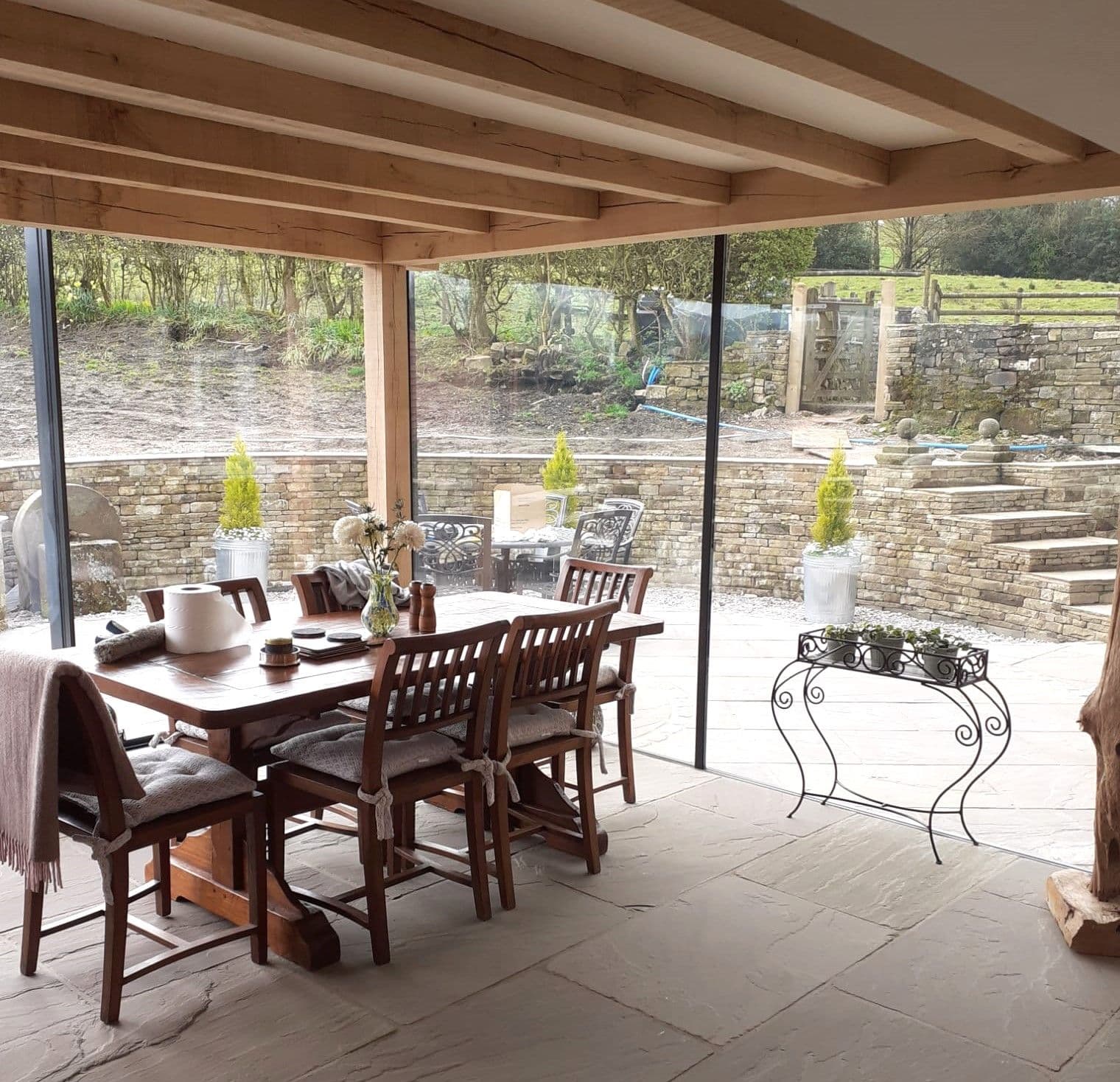
The two worries every client raises about a glass room are that it will be freezing in winter and a greenhouse in summer. Both used to be true. Here is how modern structural glazing is specified so that neither is — and what we watch for on North West projects in particular.