How to Choose a Glass Extension Specialist: 10 Questions to Ask Before You Sign
A glass extension is a structural project, not a product you order from a catalogue. These ten questions help you judge a supplier before you commit.
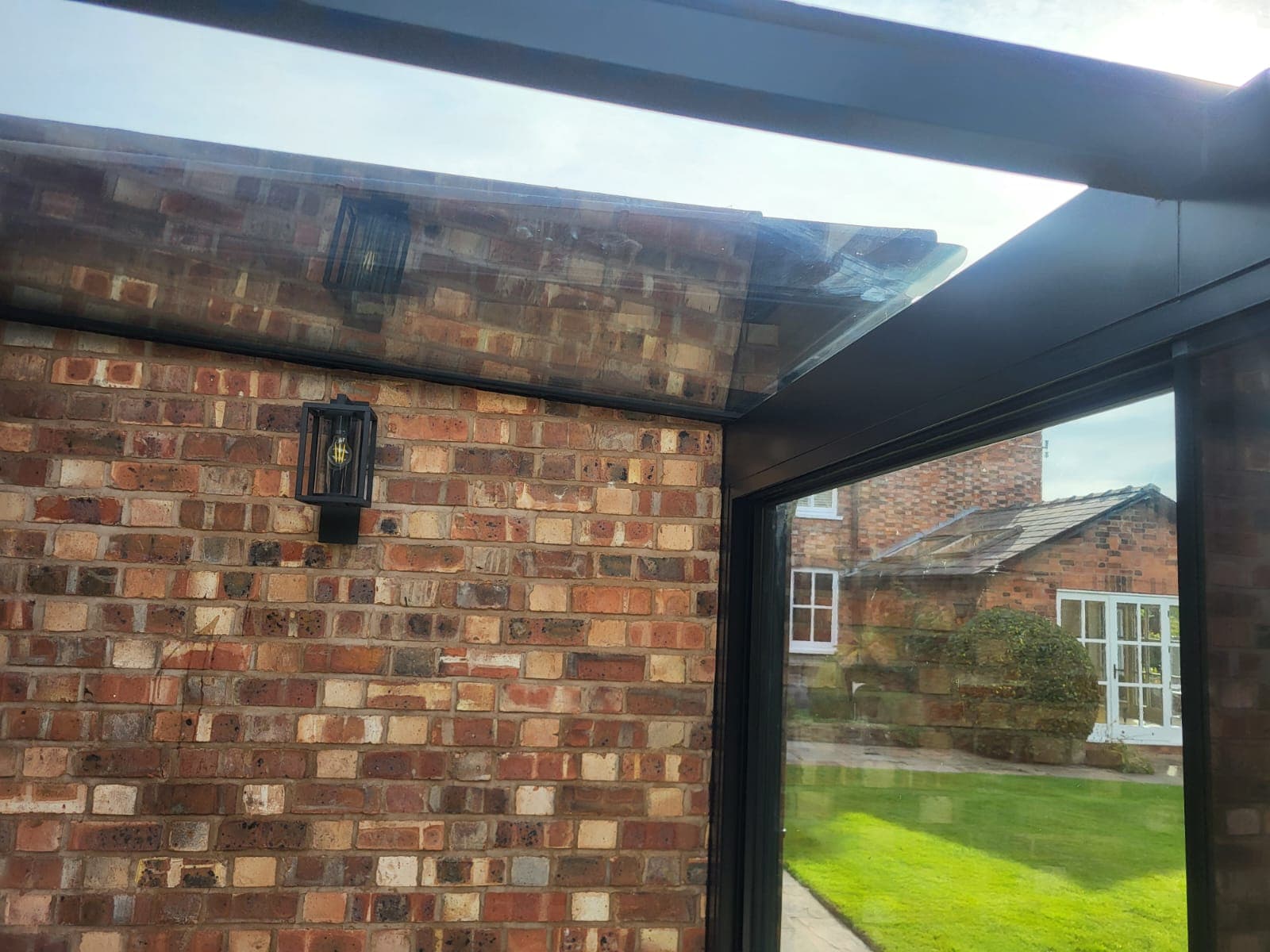
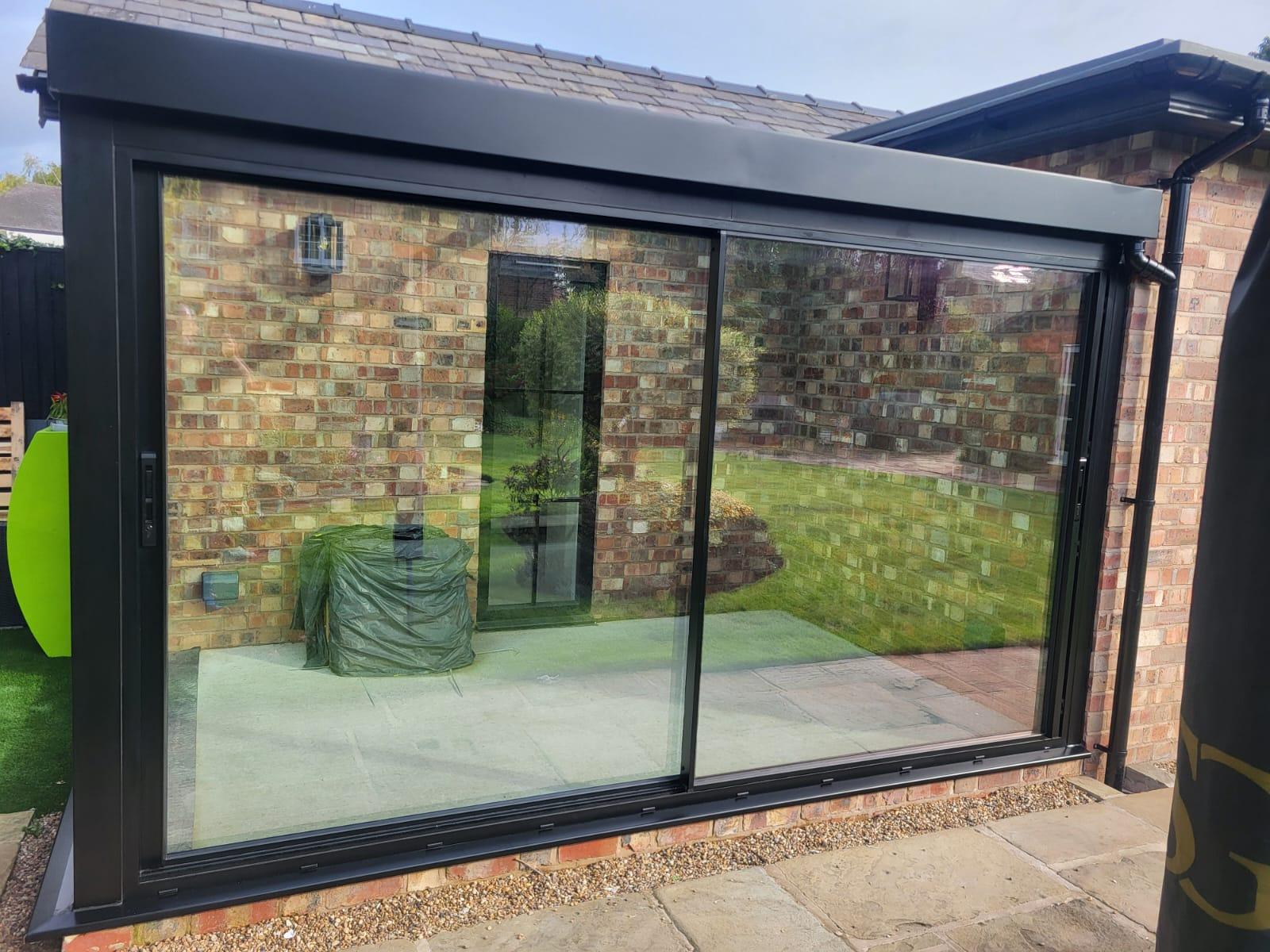
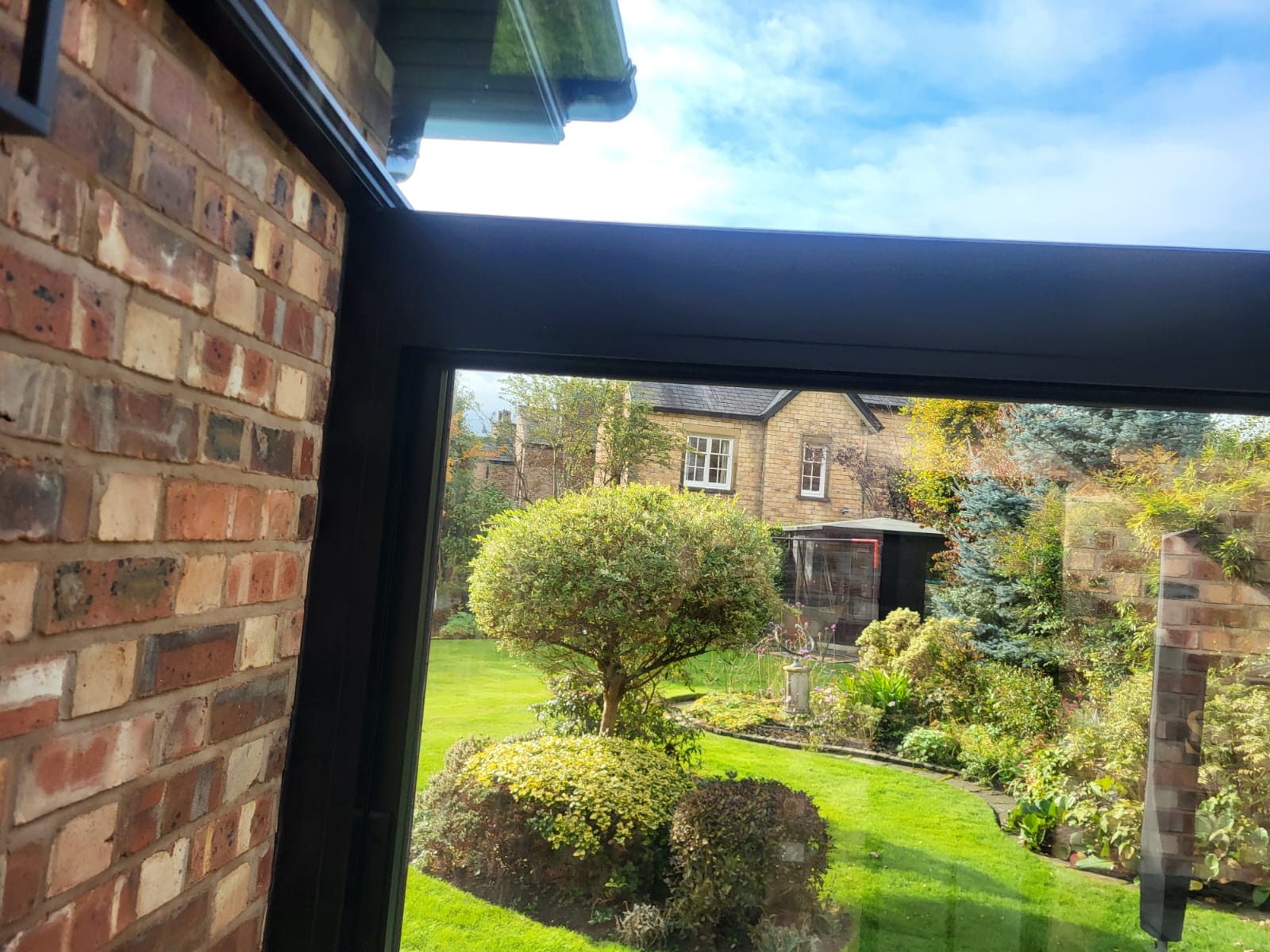
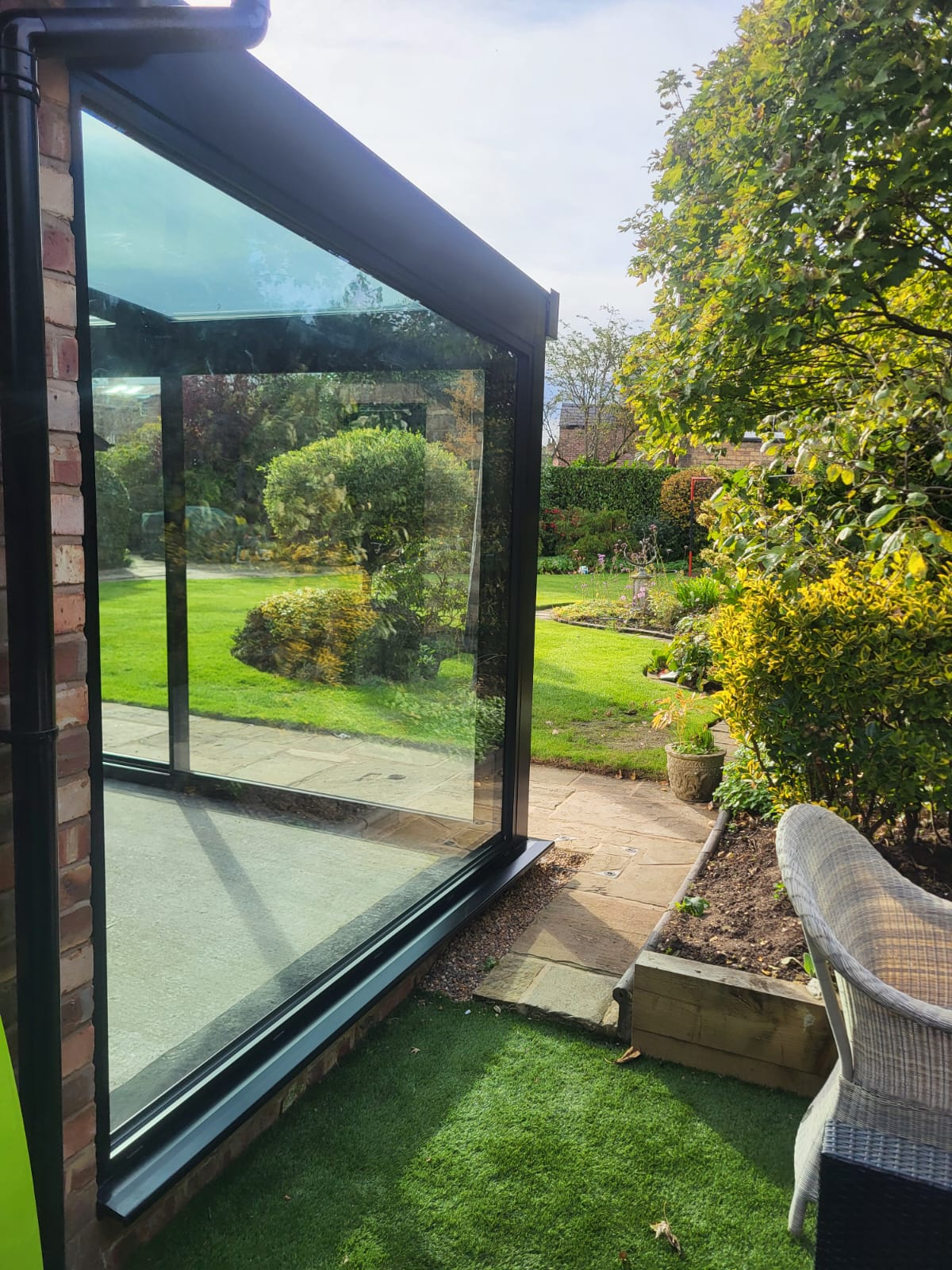
Searching for glass extension companies near you will turn up a long list, and they are not all the same kind of business. Some design and make their own systems, some install other people’s, and some sell a standard product that a local builder fits. For a small, simple job that can be fine. For a frameless glass extension, a glass link or a large glass roof, it pays to be more careful.
These ten questions help you tell the difference. We have written them from the buyer’s side, and they are fair to ask of us as well.
1. Who designs it?
Ask whether the company designs the glazing in-house or buys in a system. A supplier who designs the structure can explain every detail and adapt it to your building. One who sells a fixed system may be fine for a standard opening and less able to handle an awkward one.
2. Who produces the structural calculations?
Large glass walls and roofs carry real loads. Ask who calculates them and whether the calculations are done by a qualified engineer. You will want to see them, and your building control body will probably ask for them.
3. Can I see similar completed projects?
Look for projects like yours, not just attractive photographs. Ask whether you can speak to a previous customer, and look at our projects page for examples of what we have built. A glass link and a glass box are different jobs, so look for the one you need.
4. What happens at survey?
A good survey checks levels, wall construction, access and ground conditions, and it should happen before you are asked to commit. Be wary of firm prices from photographs alone. Our post on how a structural glazing project runs from survey to installation explains what to expect.
5. Who handles planning and building regulations?
Find out whether the supplier prepares drawings for planning and building control, or whether you need an architect to do that. Both routes can work. What matters is that someone is responsible, and that you know who.
6. What guarantees and insurance come with the work?
Ask for the guarantee terms in writing, including what is covered, for how long and who stands behind it. Check the supplier carries appropriate insurance, and ask what happens if the company is no longer trading in a few years.
7. Who installs it?
Some companies use their own installation teams, and some use subcontractors. Neither is automatically better, but you should know which applies, and who supervises the site. Glass installation needs the right equipment and experienced people, so ask how the glass will be lifted and fitted on your site.
8. What is in the quote and what is not?
A good quote lists design, engineering, manufacture, delivery, installation and making good, and it lists what is excluded. Groundworks, floors, heating and decorating are usually separate. Our post on what affects the cost of a glass extension helps you compare quotes line by line.
9. What is the programme?
Ask how long each stage takes, from survey to drawings to manufacture to installation, and what could delay it. Glass is made to order, so a realistic programme builds in that time. Be cautious of promises that sound too quick.
10. What aftercare is offered?
Glass and seals need an occasional check, and doors need adjustment from time to time. Ask what aftercare is available and who to call if something needs attention. It is a good sign if the answer is specific.
Why local knowledge helps
A supplier who works in your area knows the local planning authority, the typical housing stock and the weather. We work across the North West, including Cheshire, Merseyside, Greater Manchester and Lancashire, and our posts on glass box extensions in Cheshire and Manchester’s Victorian terraces reflect that. We also cover a wider area, so do ask us if you are further afield.
If you are an architect
If you specify glazing for clients, the same questions apply, and we have written a separate guide, specifying structural glazing that gets built, with detail on drawings, tolerances and coordination.
Red flags worth noticing
Be cautious if a company will not show you drawings or calculations, if the price arrives with no survey, or if every question is answered with “that is standard”. Vague answers about who installs, who is insured and what happens after handover usually mean the detail has not been thought through. Pressure to pay a large sum before any design work is also worth questioning.
Green flags
A good supplier asks about your plans, your site and how you want to use the space before talking about products. They explain trade-offs honestly, including when a simpler option would suit you better, and they put scope, exclusions and timings in writing. If you come away from the first conversation understanding more than when you started, that is a good sign.
Take these to your first meeting
- ✔
Drawings or photographs of the area you want to extend
- ✔
A rough idea of the budget and timescale
- ✔
Any planning or conservation constraints you know of
- ✔
Your questions from the list above
- ✔
Names of any architect or builder already involved
Choosing a glass extension company
Local knowledge helps with planning, housing stock and weather, but capability matters more than distance. Look for a supplier who designs and installs the kind of project you want.
Your glass extension
Ask us the ten questions
We are happy to go through every one of them with you before you decide. Send us your plans or just get in touch.