How Much Does a Glass Extension Cost in the UK?
A practical guide to glass box extension cost in the UK — what drives the price, general cost ranges, and whether glass extensions really work out cheaper than brick.
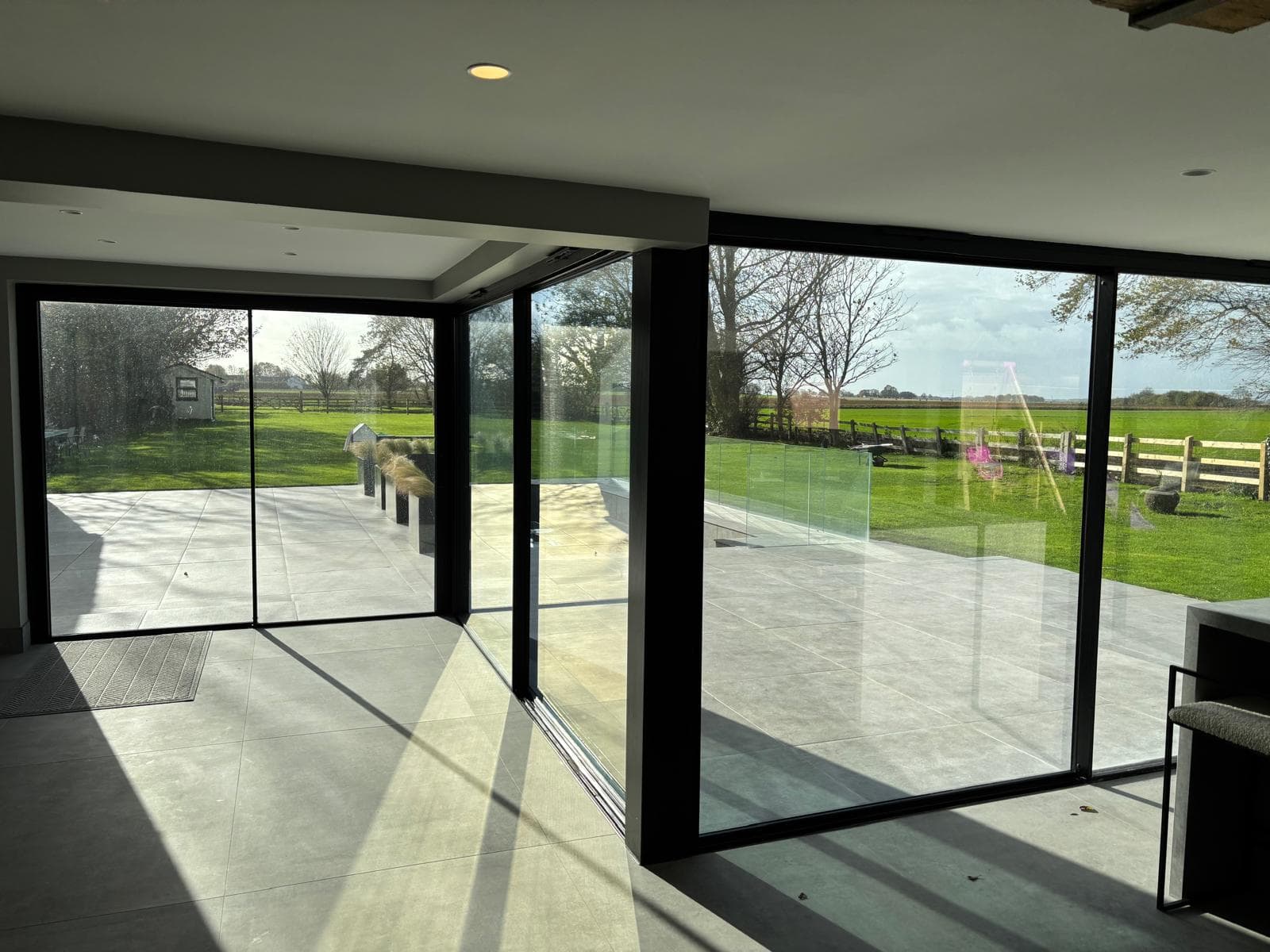
What does a glass extension cost in the UK?
It’s the first question almost everyone asks, and the honest answer is: it depends on what you build. A glass box extension cost isn’t a single figure off a price list. It’s the sum of the glass spec, the structure holding it up, the groundworks beneath it, and the finish you want at the end.
That said, you deserve a straight steer rather than a shrug. This guide walks through the things that genuinely move the price of a glass extension, gives you general cost ranges to work with, and answers the question we hear most often — are glass extensions cheaper than brick? We won’t quote you an exact number here, because a fair quote needs your drawings and your site. But by the end you’ll know what you’re paying for and why.
Why there’s no fixed price
Two glass extensions of the same floor area can differ enormously in cost. One might use modest panes with slimline framing; another might call for oversized structural glass with frameless corners and a glass roof. Same size, very different jobs.
Think of it the way a builder thinks about a kitchen: the room is the room, but the cabinets, worktops and appliances decide the bill. With glass, the variables are the glazing specification, the structural design, and the groundworks — and each one can swing the figure up or down.

What drives the cost of a glass extension
1. Size and glass area
Floor area matters, but with glazing it’s the amount and size of glass that really counts. Larger panes cost more per square metre to manufacture, handle and install, and oversized units often need specialist lifting on site. A compact glass room with standard-sized panes sits at the gentler end of glass extension prices; a wide, full-height wall of structural glass sits well above it.
2. Structural glass and spans
If the glass is doing structural work — holding up a roof, turning a frameless corner, or spanning a wide opening with no visible posts — the engineering steps up and so does the cost. Frameless structural glass wall systems use thicker, laminated, toughened glass and discreet fixings, all of which add to the price but deliver that clean, uninterrupted look you can’t get any other way.
3. Glazing specification
The glass itself isn’t just glass. Double or triple glazing, low-iron glass for clarity, solar-controlled coatings to manage heat and glare, acoustic interlayers — each choice changes the unit cost. A higher spec costs more upfront but makes the room comfortable to live in all year, which matters far more than the headline number.
4. Frames and doors
Most glass extensions combine fixed glazing with opening elements — sliding doors, bi-folds, or steel-framed doors. Ultra-slim sightlines and premium systems sit higher up the range. The door choice is often where a lot of the budget lands, so it’s worth deciding early.
5. Groundworks and structure below
What happens below ground rarely shows in photos but always shows in the quote. Foundations, drainage, a level slab, and any work to the existing building (forming the opening, steelwork, making good) all feed into the cost of a glass extension. Difficult access or a sloping site adds more.
6. Planning, design and building control
Drawings, structural calculations, planning fees and building control all carry a cost. Many glass extensions fall under permitted development, but listed buildings and conservation areas usually need more design input. Budget for the professional side, not just the build.

What you're really paying for
- ✔
The glazing spec — double or triple glazing, low-iron clarity, solar control
- ✔
Structural glass and the spans it has to cover
- ✔
Frameless corners and minimal-sightline framing
- ✔
Sliding, bi-fold or steel doors
- ✔
Foundations, groundworks and the slab
- ✔
Forming the opening and any structural steel in the existing wall
- ✔
Design, planning and building control
General cost ranges to work with
We won’t invent precise figures, because a glass extension is made to measure and your quote should be too. But in broad terms it helps to think in tiers:
- Entry level — a smaller glass room with standard-sized panes, conventional framing and straightforward groundworks. The most budget-friendly way into a glass extension.
- Mid range — a larger footprint, slimmer sightlines, better glazing spec, and a quality door system. Where many home projects land.
- High end — oversized structural glass, frameless corners, a glass roof, premium doors and a demanding site. The most striking results, and the highest glass extension prices.
If you see adverts for very cheap glass extensions, read the spec carefully. Thinner glass, basic seals and bargain framing tend to show up later as condensation, draughts and a room you avoid in winter — concerns we cover in are glass box extensions cold. The cheapest quote is rarely the best value.
Are glass extensions cheaper than brick?
This is the comparison everyone wants, and the answer is nuanced. A like-for-like glass extension usually costs more than a basic brick-and-block one, because high-performance glass, structural glazing and slim framing cost more than masonry and a couple of standard windows.
But that’s not the whole picture:
- A glass extension brings far more natural light into the home, which often makes a smaller footprint feel generous — so you may not need to build as big.
- Glass can avoid costly alterations elsewhere, such as borrowing light from neighbouring rooms.
- The design impact and the value it can add to the right property can outweigh the difference. We look at this in how a glass extension compares to a traditional home extension.
So glass isn’t the cheapest way to add floor space — but as a way to add light, character and a genuine feature, it’s often the better-value choice. It comes down to what you want the room to be.
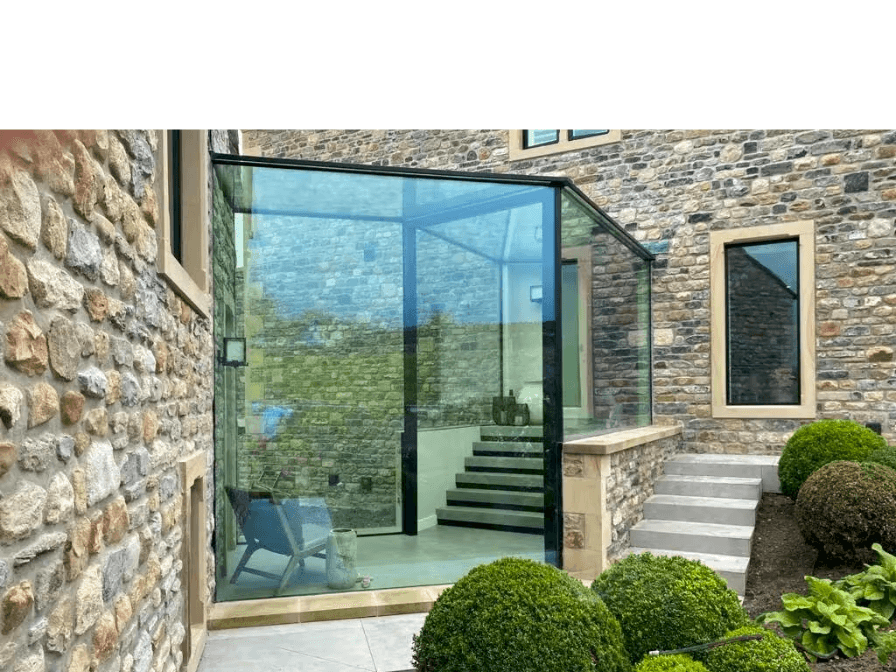
Where glass earns its keep
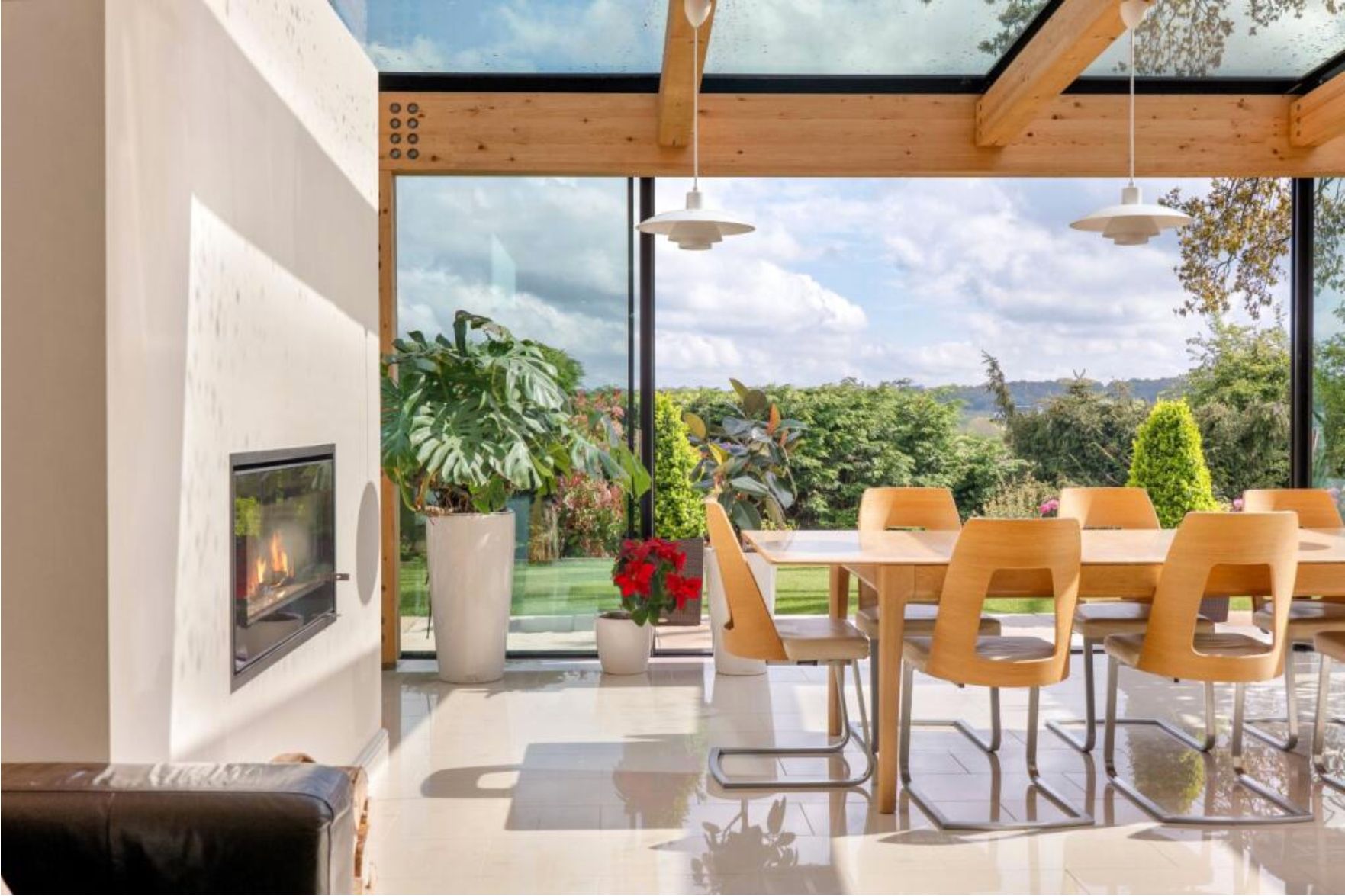
A glass extension isn’t only a bigger room. It changes how the whole house feels — light reaches further in, the garden becomes part of the living space, and the architecture reads as deliberate rather than tacked on.
That’s why a glass link or corridor between two buildings, or a frameless wall onto the garden, often justifies its cost in a way a plain box never could. You’re buying the effect, not just the square metres. Browse our completed projects to see how the spend translates into finished spaces.
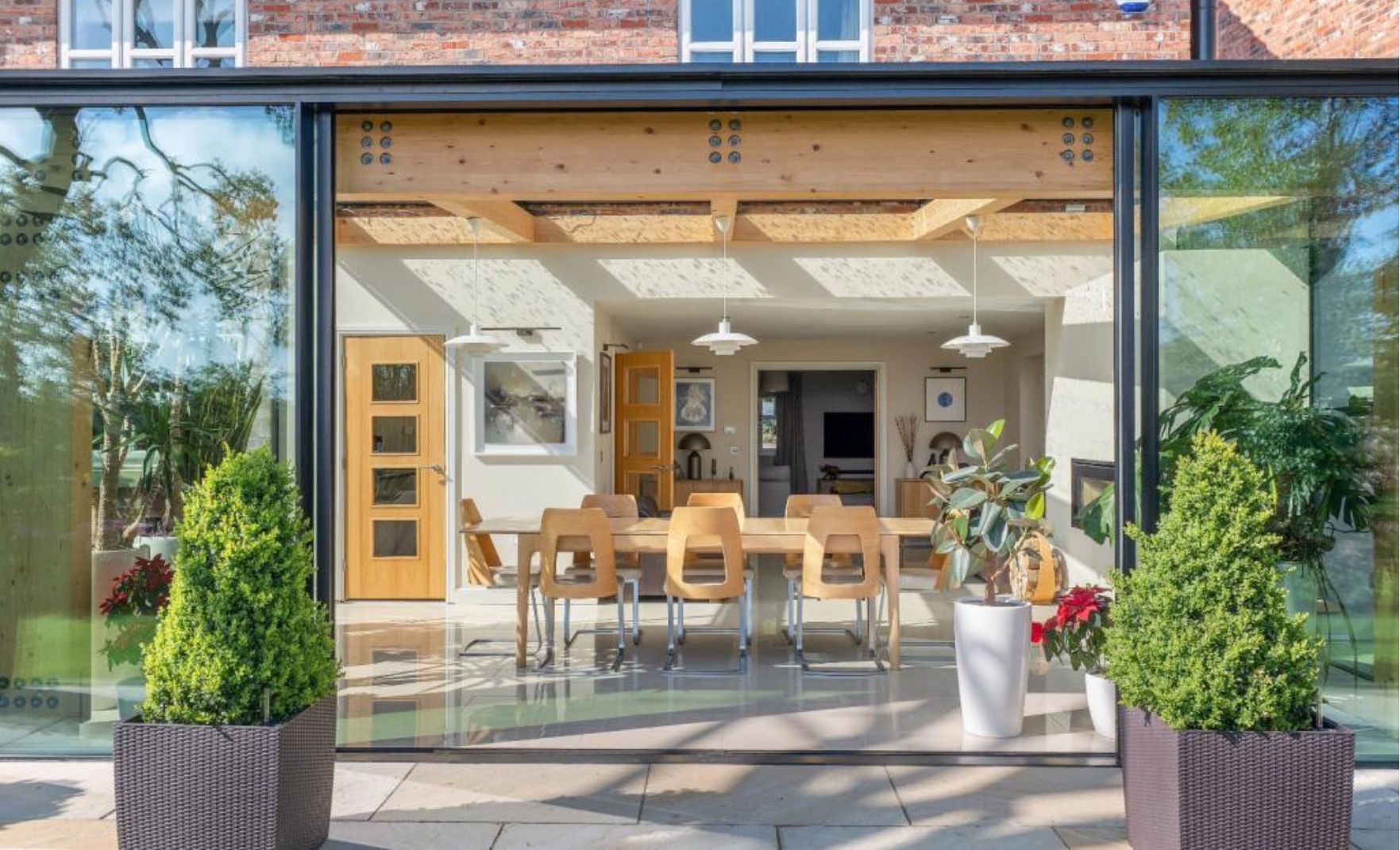
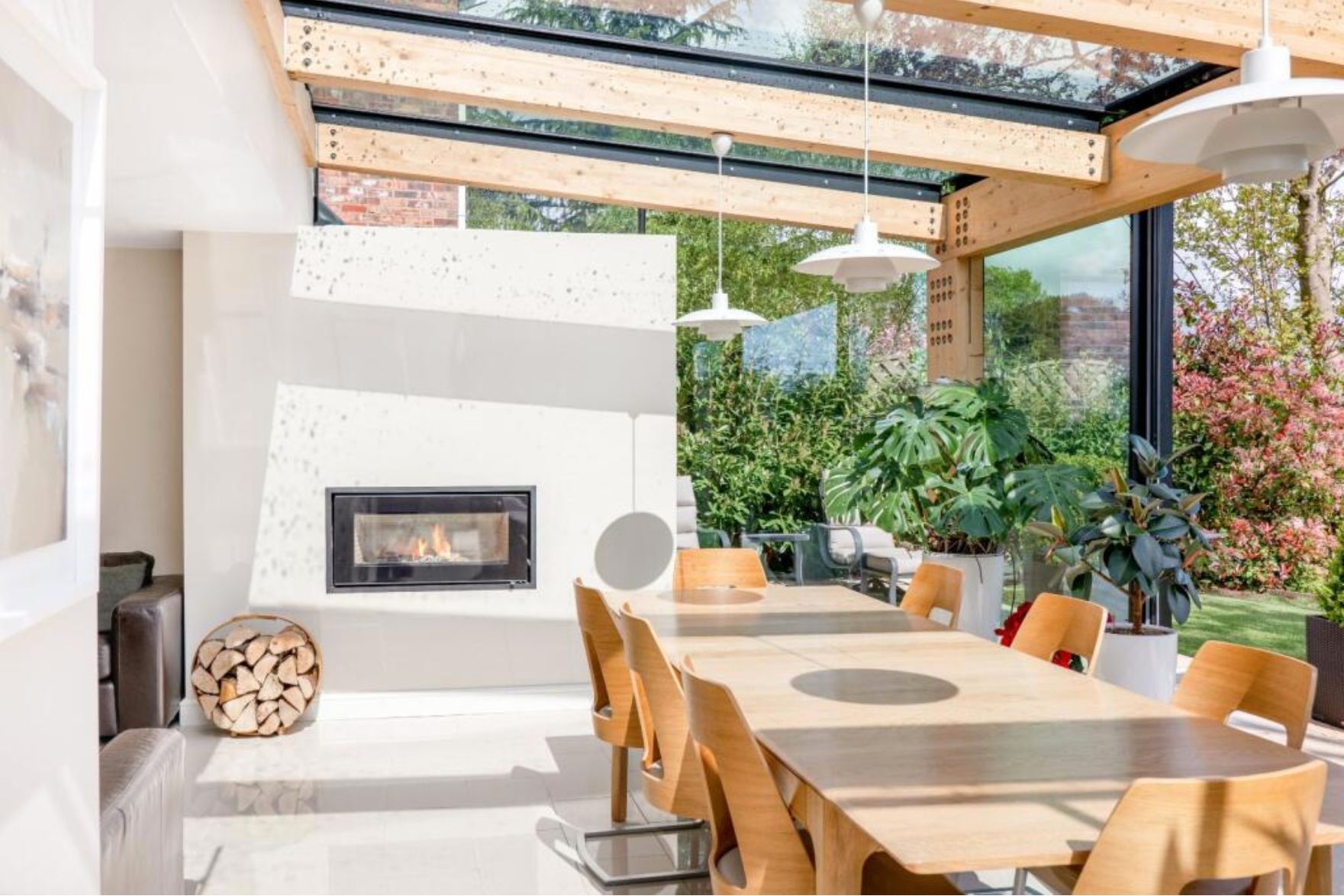
How to keep your glass extension on budget
You can shape the cost without cheapening the result:
- Decide the spec early. Settling the glazing and door choice before drawings are finalised avoids expensive changes later.
- Be realistic about spans. Frameless corners and very wide unsupported glass are worth it where they count — but they don’t need to be everywhere.
- Sort the groundworks knowledge up front. Get the site assessed so foundations and access don’t surprise you mid-project.
- Buy quality where it shows. Spend on the glass and doors you’ll see and use every day; save on the parts you won’t.
- Get a proper quote, not a guess. A figure based on your drawings is the only one worth relying on.
We’re based in the North West and work with homeowners and architects across Cheshire, Greater Manchester, Lancashire and out to the Lake District and North Wales. If you’d like a costed proposal for your project, get in touch and we’ll talk through the options. You can also read our companion guide on glass box extension cost and the full glass extensions guide.
Glass extension cost: common questions
There’s no single price — it depends on size, glazing spec, structural glass spans, doors and groundworks. A compact glass room with standard panes sits at the lower end, while oversized structural glass and frameless corners sit much higher. The only reliable figure comes from a quote based on your drawings.
Bespoke glazing, North West & UK-wide
Get a clear price for your glass extension
Send us your drawings or ideas and we’ll talk through the spec, the options and a costed proposal — no guesswork, just a straight answer for your project.