Glass Extensions: The Complete Guide to Glass House Extensions & Structural Glass Extension Design
Costs, Warmth, Planning, and Real-World Tips for your perfcect Glass Extension
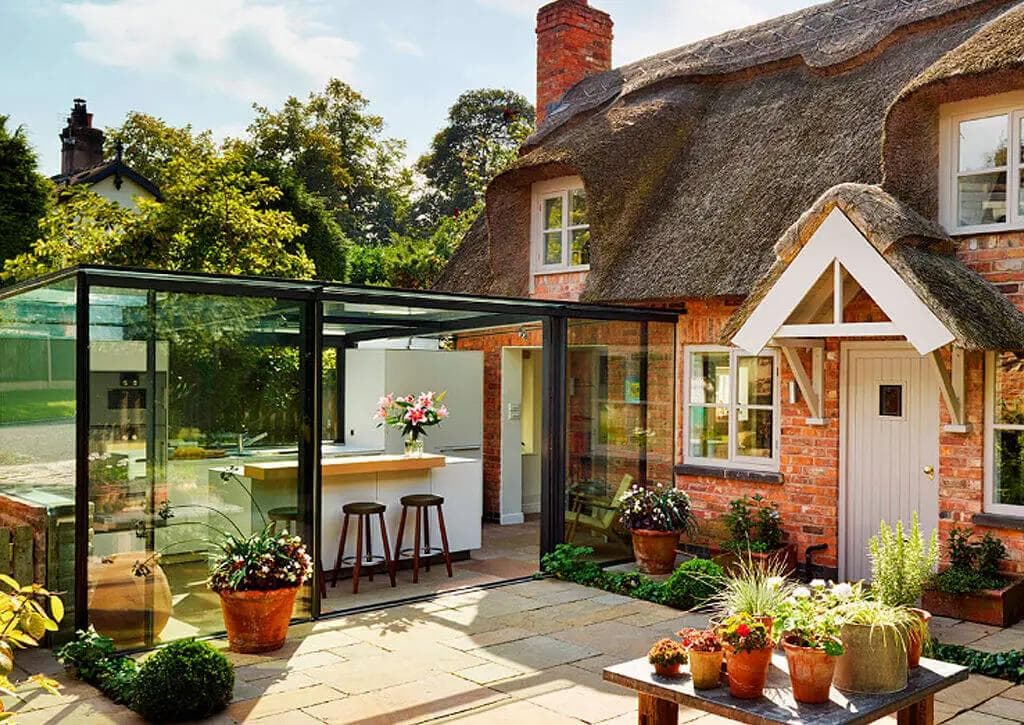
Glass Extensions: The Ultimate In-Depth Guide to Glass House Extensions & Structural Glass Extensions
A glass extension is one of the most dramatic ways to transform a home. Done well, it doesn’t just add square footage — it changes how your house feels. Light moves deeper into the building, views become part of the interior, and everyday spaces like kitchens and dining rooms suddenly feel calmer, bigger, and more expensive (without necessarily moving house).
But “amazing” and “glass” in the same sentence also triggers sensible questions:
- Will it be cold?
- Will it overheat?
- How does a structural glass extension even work?
- What does it cost?
- What’s realistic for my property?
- How do I avoid the classic mistakes?
This guide is designed to answer all of that in one place — and to help you make smarter decisions whether you’re planning a modest rear glass house extension, a side return upgrade, a full-width glass box, or a bold “almost conservatory but actually modern and high-performance” approach.
Along the way, we’ll naturally cover the key terms and search intent behind: Glass Extension, Extensions in Glass, Structural Glass Extension, Glass House Extension, and Glass Extensions — because these phrases often describe the same goal from different angles.
What is a glass extension (and what makes it different)?
A glass extension is any extension where glazing is a primary design feature rather than a small add-on. That could mean:
- A glass roof (or large roof panels) above a kitchen/diner
- A glass “link” corridor between spaces (often used in renovations)
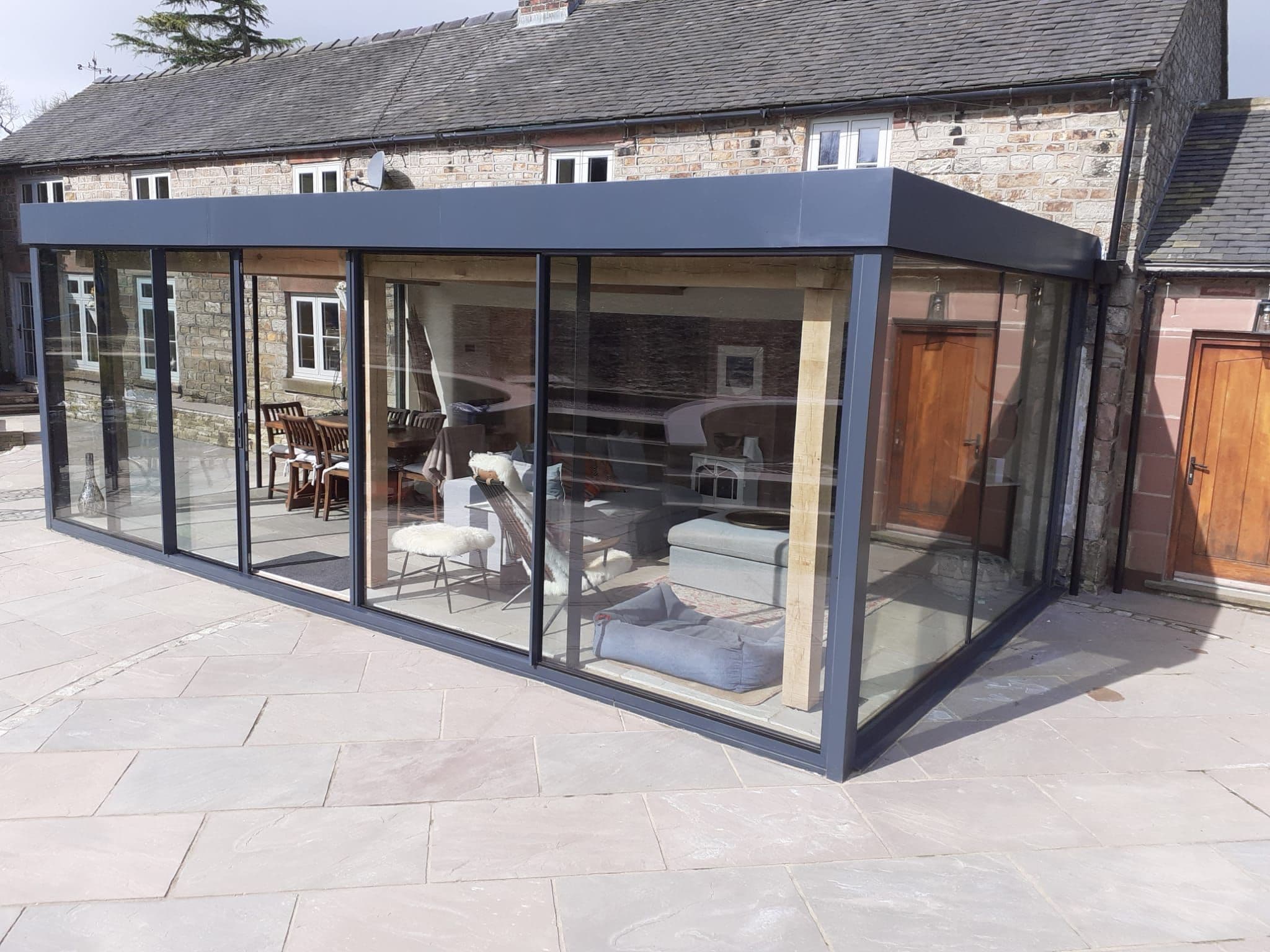
- A glass box on the rear of a property (floor-to-ceiling glazing)
- Corner glazing with minimal visible frame
- Large sliding or pivot doors that open the extension to the garden
What makes extensions in glass different from a more traditional brick-and-block extension isn’t just the look — it’s the engineering, the performance requirements, and the level of detail needed to make it comfortable year-round.
A typical brick extension hides a lot of small imperfections. Glass does not. With glass, your finish quality, your drainage details, your structural tolerances, and your thermal design all need to be tighter.
Glass house extension vs conservatory: what’s the real difference?
People often compare a glass house extension to a conservatory. The difference usually comes down to:
1) Structure and integration
A true glass extension is usually built as a “proper extension” with foundations, insulation, and full integration into the home.
2) Thermal performance
Modern glazing (double or triple, low-E coatings, warm edge spacers, thermally broken frames) can perform extremely well. Conservatories often struggle because of older specs, poor roof performance, and weak insulation at junctions.
3) Design intent
A glass extension is often designed as architecture — minimal lines, clean junctions, and strong spatial connection. A conservatory is frequently treated as a bolt-on.
If you want a space that feels like part of your home — not “the cold room you avoid until July” — then the design and specification matter more than the label.
Structural glass extension: what it actually means
A structural glass extension is one where glass is doing more than “filling a hole.” It can mean:
- Glass fins providing lateral support (vertical glass elements acting like beams)
- Structural silicone glazing (bonding glass to supports with engineered silicone rather than chunky caps)
- Large roof panels supported by minimal steelwork
- Corner glazing without a visible post (using hidden structure or special detailing)
- Load-bearing strategies where steel is reduced or concealed
Important: most structural glass systems still rely on steel (or other structure) somewhere — it’s just designed to be as discreet as possible. The goal is maximum transparency with safe load paths and reliable waterproofing.
Popular types of glass extensions
1) Rear glass box extension
This is the classic: a full-width or partial-width rear extension with large panes, slim frames, and a crisp roofline. It’s often used to open up a kitchen/diner and connect to the garden.
Why it’s popular: it makes the rear of the house feel twice the size, even if the footprint increase is modest.
2) Side return glass extension
Common in terraced homes, side returns can be turned into bright kitchen spaces with roof glazing and large doors.
Key detail: roof glazing placement matters — put glass where it brings light deep into the plan.
3) Glass roof extension (hybrid build)
Many homeowners want brick walls for cost/thermal mass but add significant roof glazing (lanterns, large roof lights, or structural glass panels).
Why it works: excellent light, often lower cost than full glass walls, easier privacy control.
4) Glass link / glass corridor
A glazed link can join the original building to a new extension, or connect to a garage conversion/home office.
Why it’s clever: it visually separates old and new and can help planning aesthetics by keeping additions lightweight.
5) Orangeries and modern glazed rooms
A more traditional feel, but with modern thermal performance and controlled glazing areas.
Will a glass extension be cold? (Spoiler: it doesn’t have to be)
This is the big one. A glass extension can be warm, comfortable, and usable all year — but only if you get the fundamentals right.
What actually makes a glass extension feel cold?
Usually it’s not “glass is cold” as a universal truth — it’s one or more of these:
- Poor glazing specification (weak U-values, old-style spacers, no low-E)
- Cold bridging at the edges (frames, junctions, roof interfaces)
- Underpowered heating (or no plan for heat distribution)
- Draughts due to installation tolerances
- Condensation risk from poor ventilation strategy
- Too much glass in the wrong orientation without balancing insulation elsewhere
The comfort checklist
To make glass extensions comfortable, you typically want to plan for:
- High-performance glazing suited to your orientation (more on that next)
- Thermally broken frames (so the frame isn’t a giant heat-leak)
- Great installation (tapes, membranes, correct sealants, proper packers)
- Ventilation (trickle vents, mechanical extract, or MVHR in some projects)
- A heating plan (UFH is popular; radiators can work too)
- Edge detailing (where glass meets structure) that prevents cold bridging
If you want your extension to feel like the rest of your home, treat it like the rest of your home: performance first, pretty second. (You’ll still get pretty — you just won’t be wearing a coat inside it.)
Overheating: the real risk with extensions in glass
In the UK, overheating can be more of a problem than cold if you have:
- A south-facing wall of glazing
- A large glass roof
- Minimal shading
- No opening lights or ventilation strategy
How to manage overheating
Good design handles solar gain intentionally:
- Solar control glass on the sunniest elevations (reduces excessive heat build-up)
- External shading where possible (most effective)
- Blinds (better than nothing, especially for roof glazing)
- Opening elements to purge heat (top-hung vents, roof vents)
- Zoning: you don’t always need full glass on every side
This is where a strong spec beats guesswork. Your glass house extension should be designed for comfort in July and January.
Glazing options that matter (without going full engineer mode)
Double vs triple glazing
- Double glazing is often the sweet spot for cost, weight, and performance.
- Triple glazing can improve insulation further, but can be heavier and may not always be necessary depending on design and frame choice.
Low-E coatings
Low-E coatings reduce heat loss while maintaining light transmission — crucial for comfort.
Solar control coatings
Useful on roof glazing and sunny elevations to manage overheating.
Warm edge spacers
A small detail with big impact: helps reduce condensation risk and edge heat loss.
Laminated vs toughened glass
- Toughened glass is strengthened for safety.
- Laminated glass holds together if broken (often preferred for overhead/roof use and security).
The exact combination depends on where the glass is used: roof, doors, fixed panels, balustrades, etc.
Frames and “minimal sightlines”: what to watch for
Slim frames look fantastic — but don’t chase slimness at the expense of performance.
Key things to look for:
- Thermal break quality (especially in aluminium systems)
- Proper drainage paths and weep detailing
- Hardware rated for large/heavy glass
- Tested systems (not mystery parts assembled on site)
A good supplier/installer will talk about performance, drainage, tolerances, and safety — not just “how thin the frame is.”
Planning permission for a glass extension (UK overview)
Many glass extensions fall under similar planning rules as other extensions, but the key variables often include:
- Whether it’s a rear or side extension
- The size relative to the original house
- Proximity to boundaries
- Whether you’re in a conservation area
- Whether your property is listed
- Overlooking/privacy issues
Even when permitted development applies, the design still matters. Planners often respond well to “lightweight” additions — and extensions in glass can sometimes appear less visually heavy than brick. But don’t assume glass automatically makes it easier; privacy, reflection, and neighbour impact still matter.
Tip: Early drawings and a clear story help. A glass extension is easier to approve when it looks intentional and proportional, not like a random shiny box stuck on the back.
How much do glass extensions cost?
Costs vary massively based on size, spec, structure, access, and complexity. A small hybrid extension with a couple of roof lights is a different universe to a high-end structural glass extension with large panes, corner glazing, and concealed steel.
What drives the cost up?
- Large bespoke panes
- Structural glass detailing (fins, large roof spans, minimal framing)
- Complex steelwork
- Challenging access (tight terraces, no rear access)
- High-end doors (big sliders/pivots)
- Specialist installation, lifting equipment, and tolerances
- Premium finishes inside and out
If you’re budgeting, it’s smart to separate the project into:
- The “normal extension build cost” (groundworks, walls, insulation, finishes)
- The “glass package” (glazing, frames, doors, roof glazing)
- The “structural complexity” (steelwork, special engineering, large lifts)
That way you can control spend: sometimes a slightly smaller glass area with better spec looks more premium and performs better than “maximum glass at any cost.”
Design tips that make glass extensions look expensive
If you want that clean architectural feel, focus on these:
1) Align sightlines
Line up roof edges, door heads, and internal ceiling lines. Small alignment errors shout loudly in glass-heavy designs.
2) Keep junctions crisp
Where glass meets brick, render, or cladding — detailing matters. Messy silicone lines can ruin the effect.
3) Use fewer, larger panes where possible
More mullions = more visual clutter. Bigger panes = calmer design (and often more cost, so balance it).
4) Think about night-time
Glass looks amazing in daylight, but at night it becomes a mirror. Good lighting design makes the space feel warm and intentional after dark.
5) Control the “glassiness”
A fully glazed room can feel like you live in a display cabinet. Mix in solid elements where it improves comfort and privacy.
Common mistakes to avoid with glass house extensions
Here are the repeat offenders:
- Too much roof glass without shading or ventilation
- No heating plan (then blaming the glass later)
- Ignoring privacy until the neighbours can see your dinner every night
- Choosing doors based purely on looks (without checking hardware limits)
- Poor drainage and threshold detailing (water + time = pain)
- Underestimating structural tolerances (glass needs accuracy)
- Treating the installer as an afterthought (glass is not forgiving)
The best projects are the ones where design, structure, and installation are treated as one joined-up system.
Glass extensions and privacy: yes, you can have both
Privacy isn’t “all or nothing.” Options include:
- Strategic solid walls on one side
- Obscure/fritted glass in specific areas
- Internal blinds or roof blind systems
- Landscaping: planting can be a beautiful, natural screen
- Orientation-aware design: put your most open glazing where it faces garden rather than neighbours
A great glass extension is open where it should be open, and private where it needs to be private.
The best “balanced” approach for many homes
If you want a realistic recommendation that works for loads of UK homes, it’s this:
- Use high-quality doors to the garden
- Add roof glazing in the right positions
- Use fixed glazing where it creates the biggest visual impact
- Keep some solid insulated walls for comfort and cost control
- Add ventilation and shading where needed
That’s often the sweet spot between the wow-factor of glass extensions and the everyday comfort of a space you’ll actually use.
Final thoughts: the goal isn’t just glass — it’s a better home
A structural glass extension can be jaw-dropping, but the best glass house extension is the one that improves your life daily: brighter mornings, a more social kitchen, better flow to the garden, and a home that feels modern without feeling fragile.
Glass is the headline — but comfort, detailing, and smart design are what make it a success.
FAQ: Glass Extension Questions People Ask All The Time
A well-designed glass extension doesn’t have to be cold. With modern glazing, thermally broken frames, correct installation, and a proper heating/ventilation plan, glass extensions can be comfortable all year.
Related Content
Discover more content related to this blog
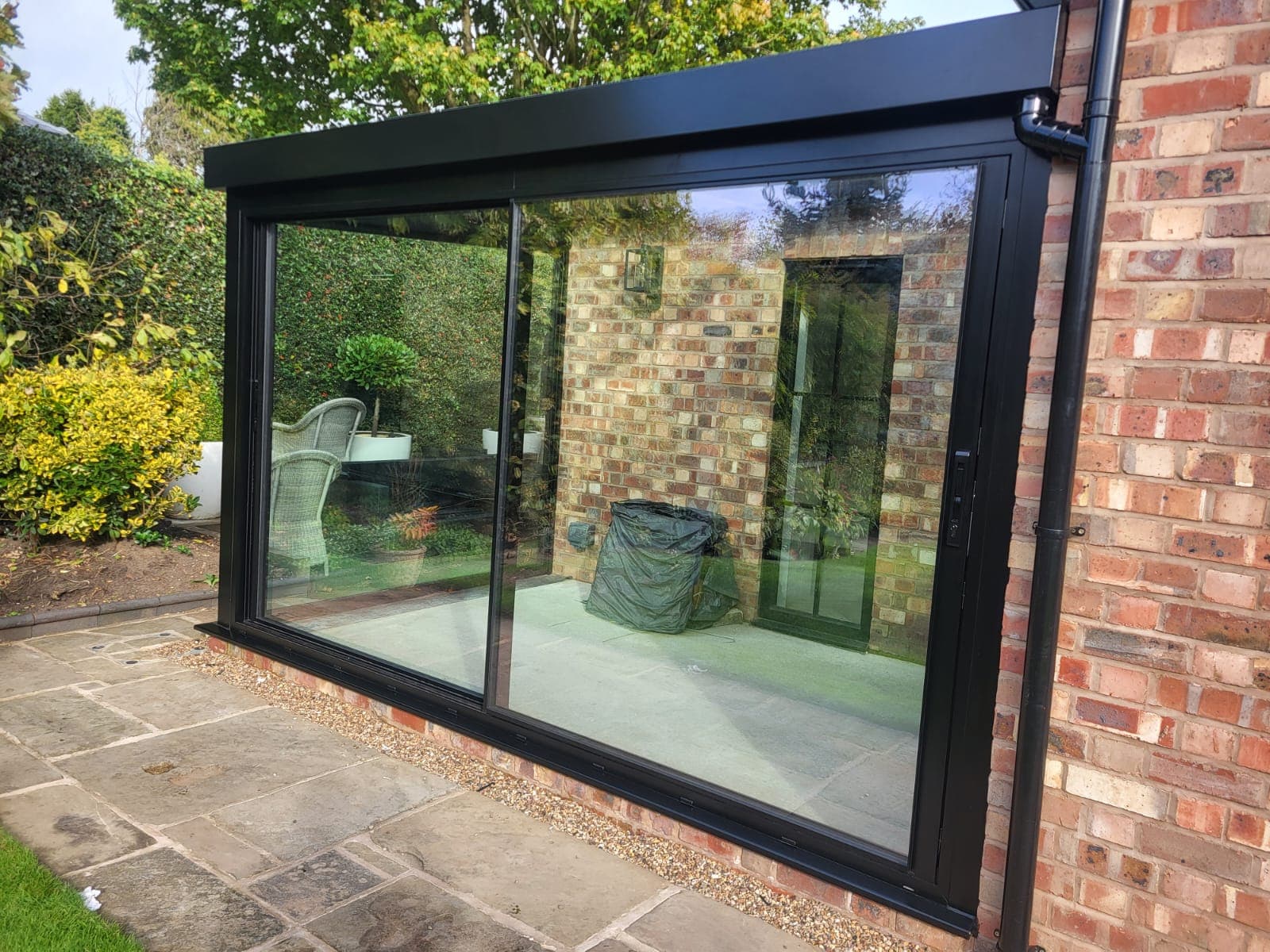
A black-framed glass box in Bowdon, Cheshire — glass roof, corner glazing and wide Cortizo sliding doors set against warm brick.
📍 Bowdon, Cheshire
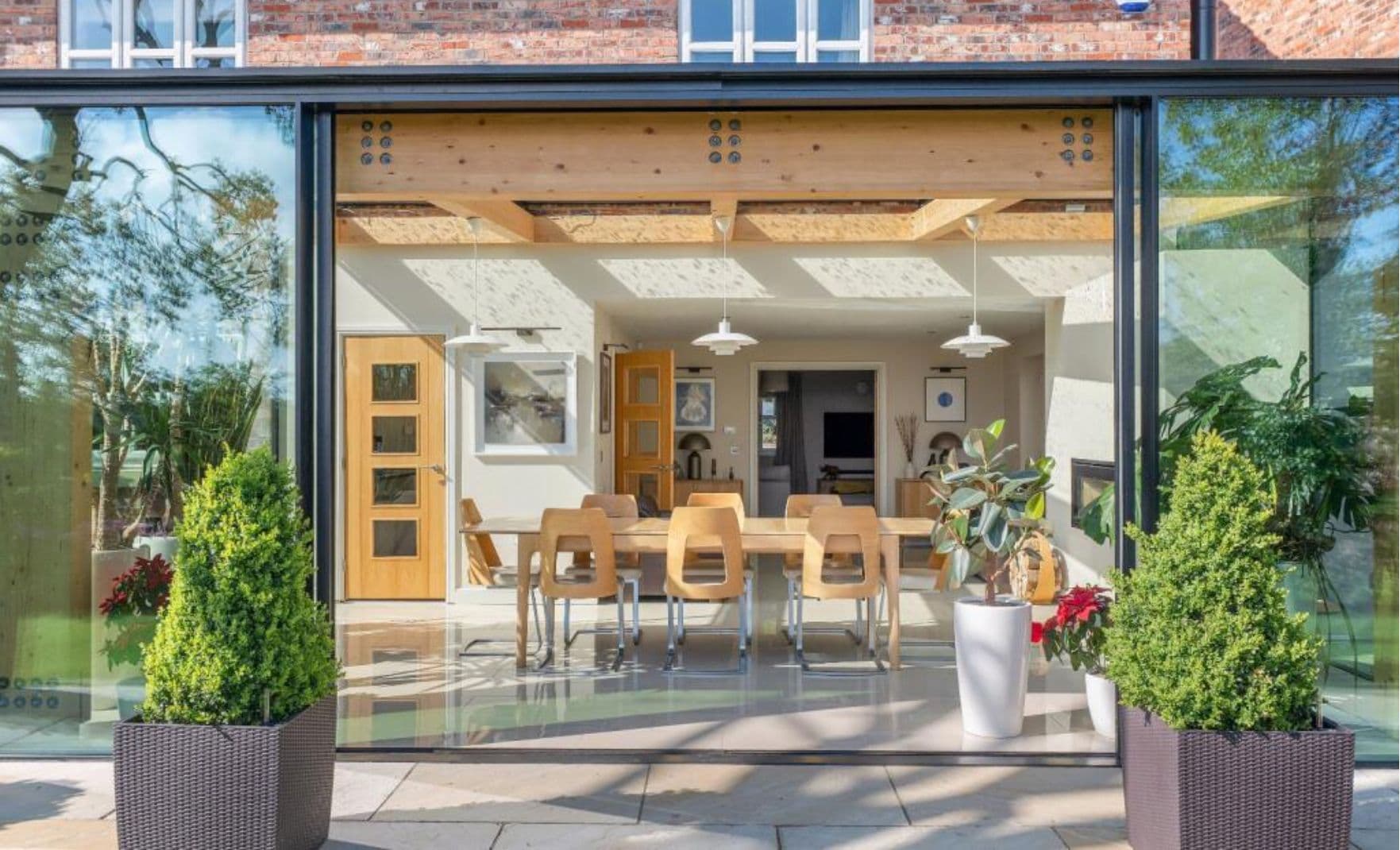
A plain summary of the 2027 Part L changes as they affect windows, doors, rooflights and glazed extensions — dates, transitional rules, the numbers that moved and the ones that didn't, and what to do on live projects now.

Part O caps the glazed area of every new home room by room, by orientation and ventilation. The moderate-risk figures for Liverpool, Manchester and the North West, what happens when a design exceeds them, and how to keep the big glass.

From 24 March 2027 every window on a new home must be calculated at its real size with every frame component included. What changes, who it catches, and how steel, aluminium and structural glass get to 1.2 W/m²K.
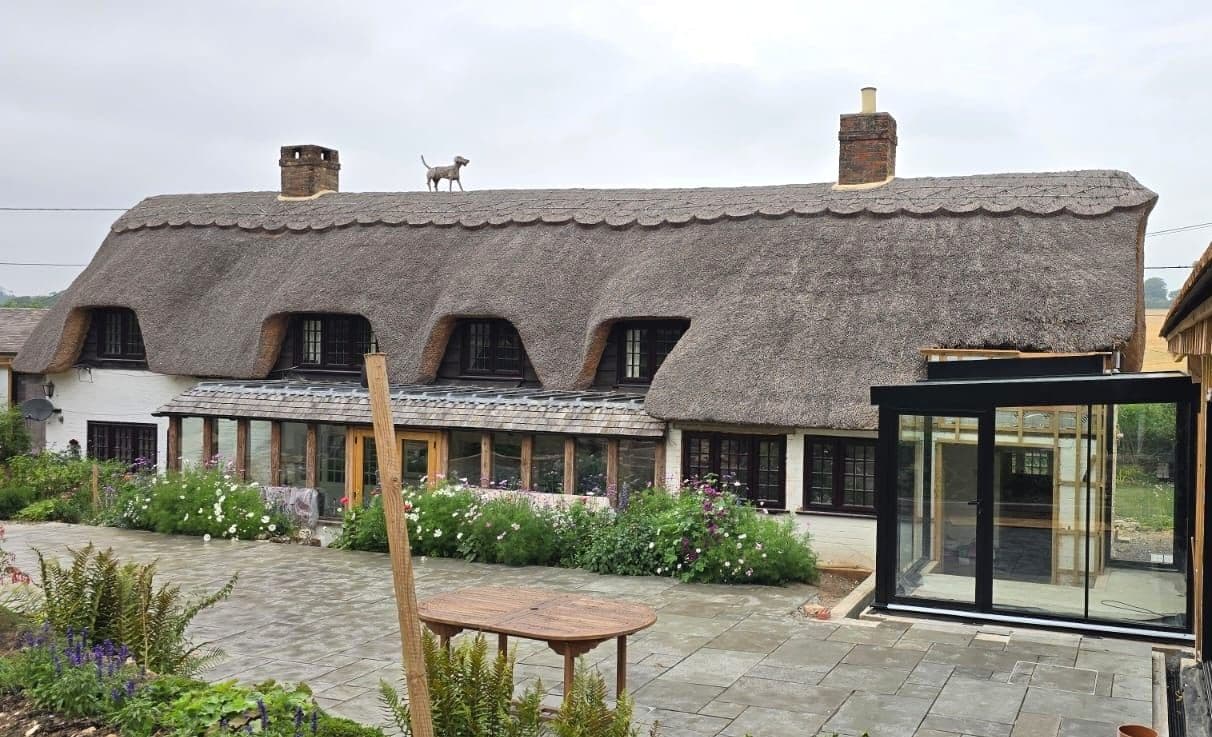
Most of the houses we glaze are old. Georgian terraces in Liverpool, Victorian villas in Cheshire and South Manchester, stone farmhouses in Lancashire and the Dales. Here is why structural glass tends to be the extension that gets approved on a period home, and how the old wall and the new glass are made to meet.
People planning a glass box, link or corridor usually want to know two things: how long it takes and what happens in between. This is the sequence every one of our North West projects follows, from the first site visit in Cheshire, Lancashire or Merseyside to the day the glass goes in.