Are Glass Box Extensions Cold
Thinking about a glass box extension? Learn why some feel cold and how high-performance glazing, insulated detailing and smart heating create year-round comfort.
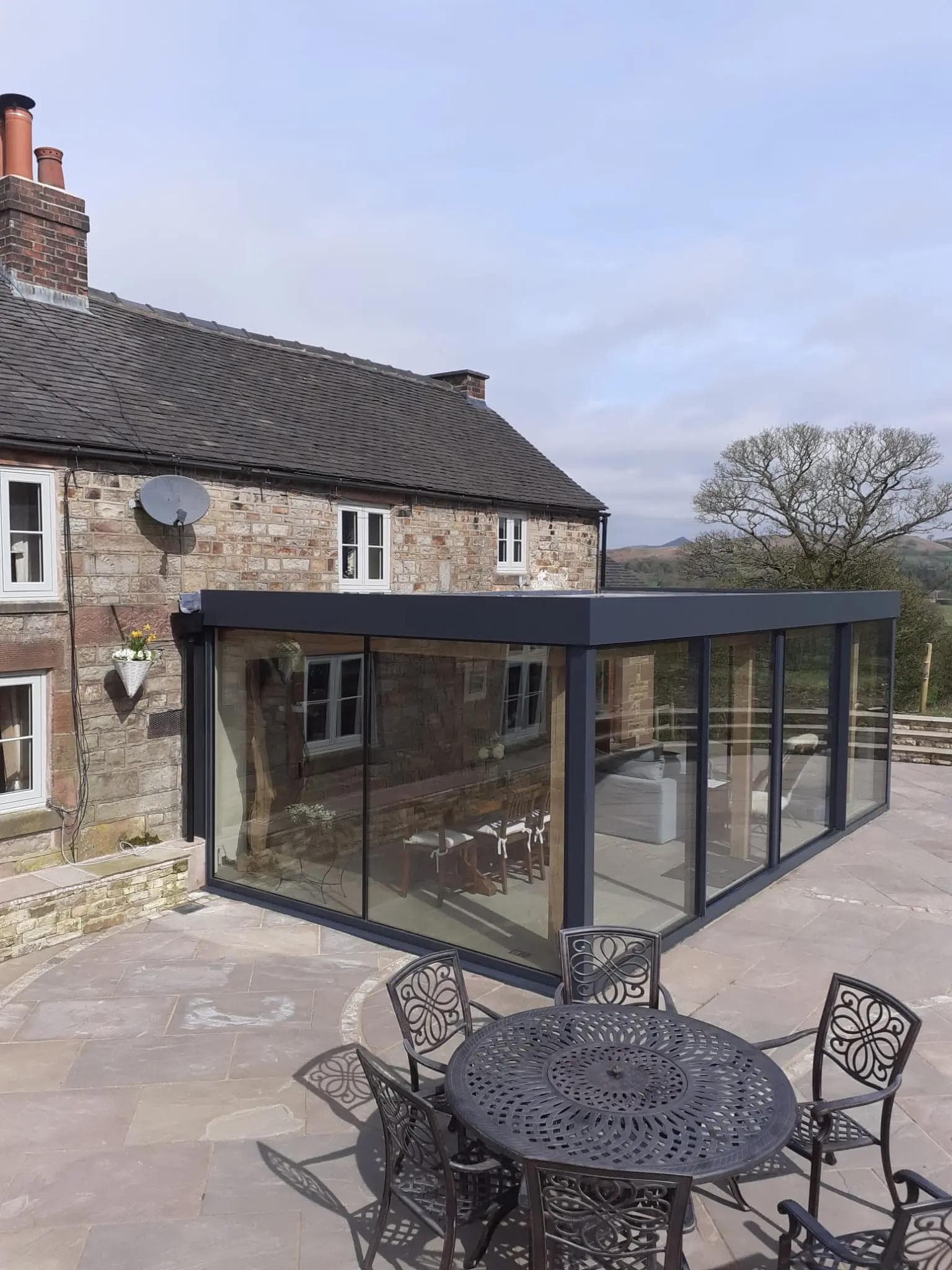
glass box extension (sometimes called a glass room, glass cube, or frameless glass extension) looks incredible: crisp lines, loads of daylight, and that “architectural magazine” feel. But the big question people ask—usually right after they fall in love with the idea—is:
Are glass box extensions cold?
They can be, but they don’t have to be. A well-designed glass box extension should feel comfortable year-round in the UK climate—if the glazing specification, thermal detailing, ventilation, and heating strategy are done properly. A poorly specified one can feel chilly in winter, stuffy in summer, and expensive to run.
Below is a straight-talking, SEO-friendly guide to what makes a glass box extension feel cold, what stops that happening, and how to design one that feels as good as it looks.
Quick Answer: Are Glass Box Extensions Cold?
Not inherently. A glass box extension will feel cold if it’s built with low-performance glazing, weak thermal detailing, and no plan for heating and ventilation.
A properly engineered system using high-performance insulated glass units (IGUs), warm-edge spacers, thermally broken frames, and smart temperature control can be warm, comfortable, and usable all year.
Think of it like a car: the body can be sleek, but if you fit cheap tyres and skip the engine tune, it’ll handle terribly. Glass is the same—you need the right “spec” and the right installer.
Why Glass Extensions Can Feel Cold
Glass has a reputation for being cold because it behaves differently to solid walls. Even with great glazing, you’ll usually have more heat loss through glass than through an insulated cavity wall. That doesn’t automatically mean “freezing,” but it does mean the design needs to work a bit harder.
Here are the main reasons a glass box extension can feel cold:
1) Heat Loss Through the Glass (U-Values Matter)
The key metric here is the U-value (how much heat passes through a material).
- Lower U-value = better insulation
- Higher U-value = more heat escapes
If your glass is double glazed but not specified well, or the roof glazing isn’t up to the job, the space can lose heat fast in winter—especially at night.
2) Cold Surface Temperature = Drafty “Feeling”
Even if the air temperature is decent, a big cold surface (like glass) can make you feel chilly due to radiant heat loss from your body to the colder surface. People describe it as:
- “It’s not draughty, but it feels cold”
- “My feet are fine, but I feel chilly sat near the glass”
That’s why surface temperature matters, not just the thermostat reading.
3) Poor Thermal Detailing Around Frames and Junctions
A glass box extension isn’t just “glass panels.” It’s also:
- frames
- base channels
- structural supports
- junctions to the existing building
If these are not thermally broken or properly insulated, you can get cold bridges. Cold bridges can cause:
- local cold spots
- condensation
- mould risk around edges
4) Air Leaks (Installation Quality is Everything)
Even the best glazing can feel cold if the extension is not sealed correctly. Tiny gaps become:
- noticeable draughts
- heat loss
- uncomfortable “cold currents”
A glass extension is precision work. A few millimetres of “that’ll do” becomes a winter problem.
5) Roof Glazing Spec (Often the Weakest Link)
Glass roofs are where comfort can be won or lost. A roof has:
- huge exposure
- high heat loss in winter
- intense solar gain in summer
If roof glazing isn’t specified for insulation and solar control, the space can swing between cold and sauna depending on the season.
What Stops a Glass Box Extension From Being Cold?
This is where a glass box extension becomes a proper living space, not a fancy conservatory. The goal is a consistent, controllable indoor environment.
High-Performance Glass Specification
A warm glass extension starts with the right glazing build-up. Look for:
- Double or triple glazing (IGU)
- Low-E coating (reflects heat back into the room)
- Argon (or similar) gas fill between panes
- Warm-edge spacer bars to reduce edge heat loss
- Laminated / toughened safety glass where required
- Solar control coatings where overheating is likely
If you want the extension to be used daily through winter, specification matters more than aesthetics.
Thermally Broken Frames and Systems
A lot of heat issues come from the bits you don’t notice:
- aluminium frames without thermal breaks
- poorly insulated base tracks
- metal-to-metal connections
A quality system uses thermal breaks (an insulating barrier within the frame) to reduce heat transfer.
Proper Insulated Base and Threshold Detailing
If the floor slab and perimeter are not insulated correctly, you can get:
- cold floors
- condensation at the base
- discomfort near the edges
Good detailing includes:
- insulated upstands
- insulated slab edges
- correct damp-proof detailing
- tight seals and drainage design
Heating Strategy Designed for Glass
A glass box extension typically needs a heating approach that tackles cold-surface effects.
Common effective options:
- Underfloor heating (UFH) — great for comfort and even warmth
- Slimline radiators — useful where UFH isn’t possible
- Trench heaters near large glazing — helps counter downdraught and keeps edges warm
- Air source heat pump compatibility — efficient with UFH and modern controls
The best approach depends on usage: dining room, kitchen extension, snug, or a year-round garden room.
Ventilation and Moisture Control
Cold isn’t the only comfort issue—condensation is the enemy of glass spaces if ventilation is ignored.
Solutions can include:
- trickle vents or discreet ventilation strategy
- mechanical extract (especially if connected to kitchens)
- MVHR in larger, airtight builds
- correct internal humidity management
If moisture is controlled, the space stays more comfortable and glass stays clearer.
Double Glazing vs Triple Glazing: Which Is Better for Warmth?
This is a common question, and the answer is: it depends on the design and system.
Double Glazing
Pros
- often slimmer and lighter
- can be very high performance with the right Low-E and gas fill
- generally more cost-effective
Cons
- slightly more heat loss than triple glazing
- may feel cooler to sit right next to in deep winter (depending on spec)
Triple Glazing
Pros
- better insulation (lower U-values)
- warmer internal glass surface temperature
- can improve comfort in exposed locations
Cons
- heavier (structure and hardware need to be designed for it)
- can reduce solar gain (sometimes a pro, sometimes a con)
- more expensive
A good supplier/installer will specify the right unit based on orientation, size, and how the room will be used.
The Roof Makes or Breaks Comfort
If you’re asking “are glass box extensions cold,” you’re really asking: will my glass roof make it uncomfortable?
A glass roof needs to handle two extremes:
Winter
To avoid the space feeling cold:
- specify an insulated roof glazing unit (low U-value)
- avoid cheap roof glass that’s basically “double glazing for looks”
- ensure proper warm edge and frame detailing
Summer
To avoid overheating:
- use solar control glass
- consider integrated blinds or shading
- design ventilation: opening rooflights, high-level vents
- consider external shading where feasible
A well-designed roof is not just “more glass.” It’s a performance element.
Orientation: North vs South Facing Glass Boxes
Orientation hugely affects comfort.
South-Facing
- Gets lots of sun (good for warmth in winter days)
- Higher overheating risk in summer
- Often benefits from solar control glass and shading
North-Facing
- Lower solar gain (can feel cooler)
- Less overheating risk
- Often benefits from stronger insulation spec and a smart heating plan
East/West
- Can get strong morning or evening sun
- Glare control and solar control can matter a lot
A good design considers:
- where the sun goes
- how you use the space
- what time of day you’ll be in it
“Will It Feel Like a Conservatory?”
A modern glass box extension should not feel like an old conservatory—if it’s specified like part of the house.
A conservatory often feels cold because it typically has:
- weaker glazing spec
- weaker frames
- poor insulation at base
- limited heating integration
- leaky installation standards
A glass box extension designed as a structural, thermally detailed addition to the home can feel like:
- a light-filled dining room
- a calm reading space
- a modern kitchen extension
- an architectural link between buildings
Signs a Glass Box Extension Might Be Cold (Red Flags)
If you’re comparing quotes or looking at suppliers, watch out for these warning signs:
- No U-values provided for glass and frames
- Roof glazing described vaguely (e.g., “high quality roof glass”)
- No mention of thermal breaks
- No details on warm-edge spacers
- “We can fit it in a week” energy (speed is great… unless it replaces detailing)
- No discussion about heating, ventilation, or condensation control
- Price seems too good to be true for the size and complexity
In glass extensions, the detail is where the comfort lives.
How to Make a Glass Box Extension Warm and Comfortable: Checklist
If you want a glass extension that isn’t cold, use this checklist:
- Low U-value glazing (ask for the actual numbers)
- Low-E coated IGUs with gas fill
- Warm-edge spacers
- Thermally broken frames
- Insulated base and perimeter detailing
- High-quality seals and installation
- Heating plan (UFH, trench heaters, radiators—designed, not guessed)
- Ventilation strategy to prevent condensation
- Solar control / shading if south or west facing
- Professional structural design for large panes and minimal framing
If your supplier can confidently talk through each point, you’re in good hands.
Are Frameless Glass Box Extensions Colder Than Framed Ones?
“Frameless” is often a design style rather than literally no structure. True frameless systems still use:
- structural glass joints
- base channels
- discreet supports
- engineered junctions
A well-engineered minimal-frame system can be just as comfortable as a more visibly framed one—sometimes more, because premium minimal systems usually come with higher spec components.
The real question is not “frameless vs framed,” but:
What’s the thermal performance of the system and how well is it detailed and installed?
The Bottom Line
So—are glass box extensions cold?
They can be if they’re treated like a “glazed add-on.” But when they’re designed properly—with the right glazing specification, thermally broken systems, insulated detailing, and a sensible heating/ventilation plan—they can be warm, comfortable, and genuinely liveable all year.
A glass box extension should feel like a natural part of your home: bright, modern, and comfortable. If it doesn’t, it’s almost always down to specification and detailing, not the fact that it’s glass.
Want a Glass Box Extension That Feels Warm Year-Round?
If you’re exploring a glass box extension and want it to be:
- comfortable in winter
- controlled in summer
- minimal in frame
- maximal in light
…then focus on performance as much as aesthetics. The best projects balance architecture with engineering, and the result is a space you’ll actually use—not just admire from the kitchen.
hey can be if the glazing or installation is poor, but a properly specified glass box extension should be comfortable year-round. High-performance insulated glass units (IGUs), thermally broken systems, and a planned heating strategy make the biggest difference.
Related Content
Discover more content related to this blog
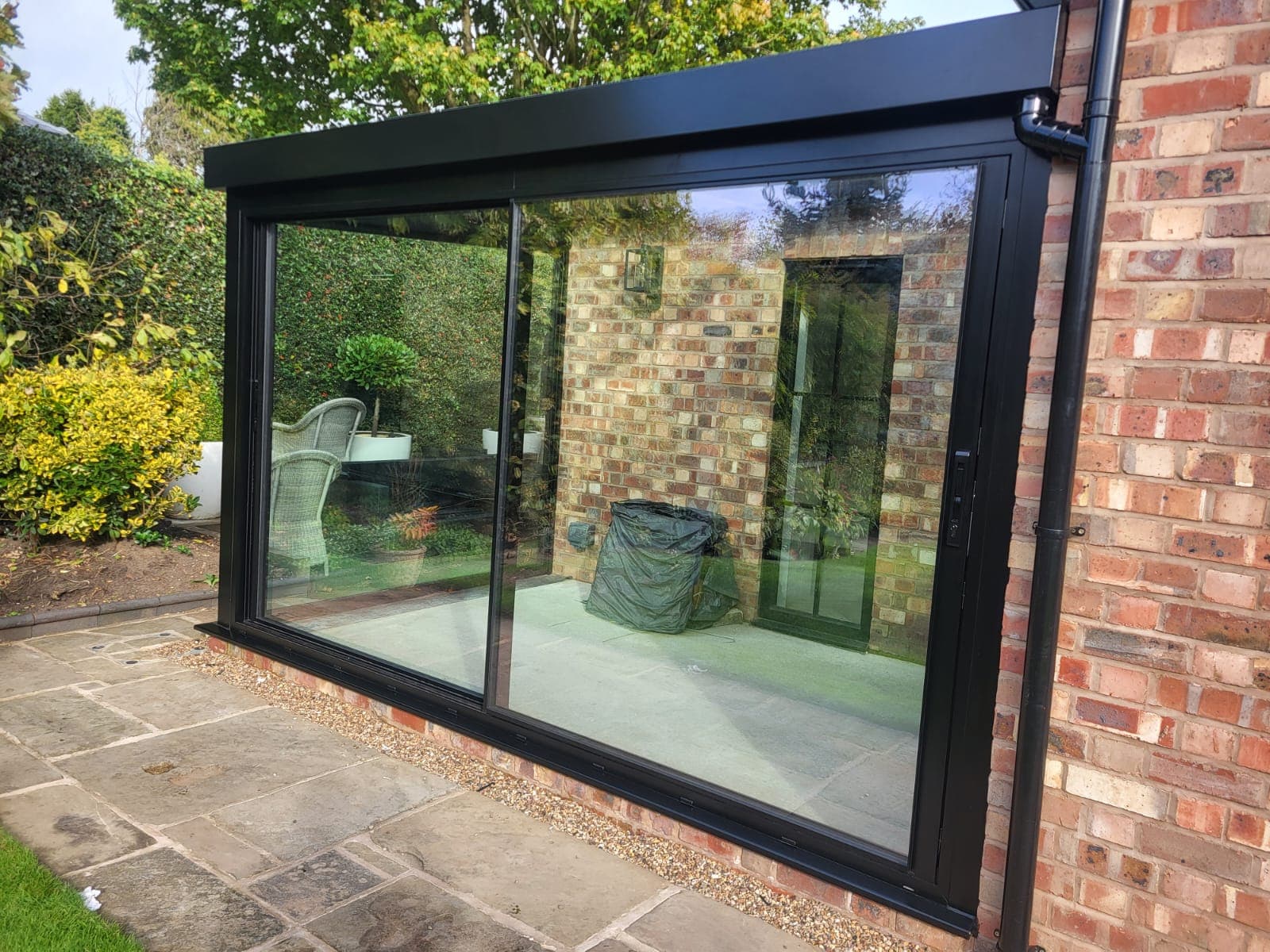
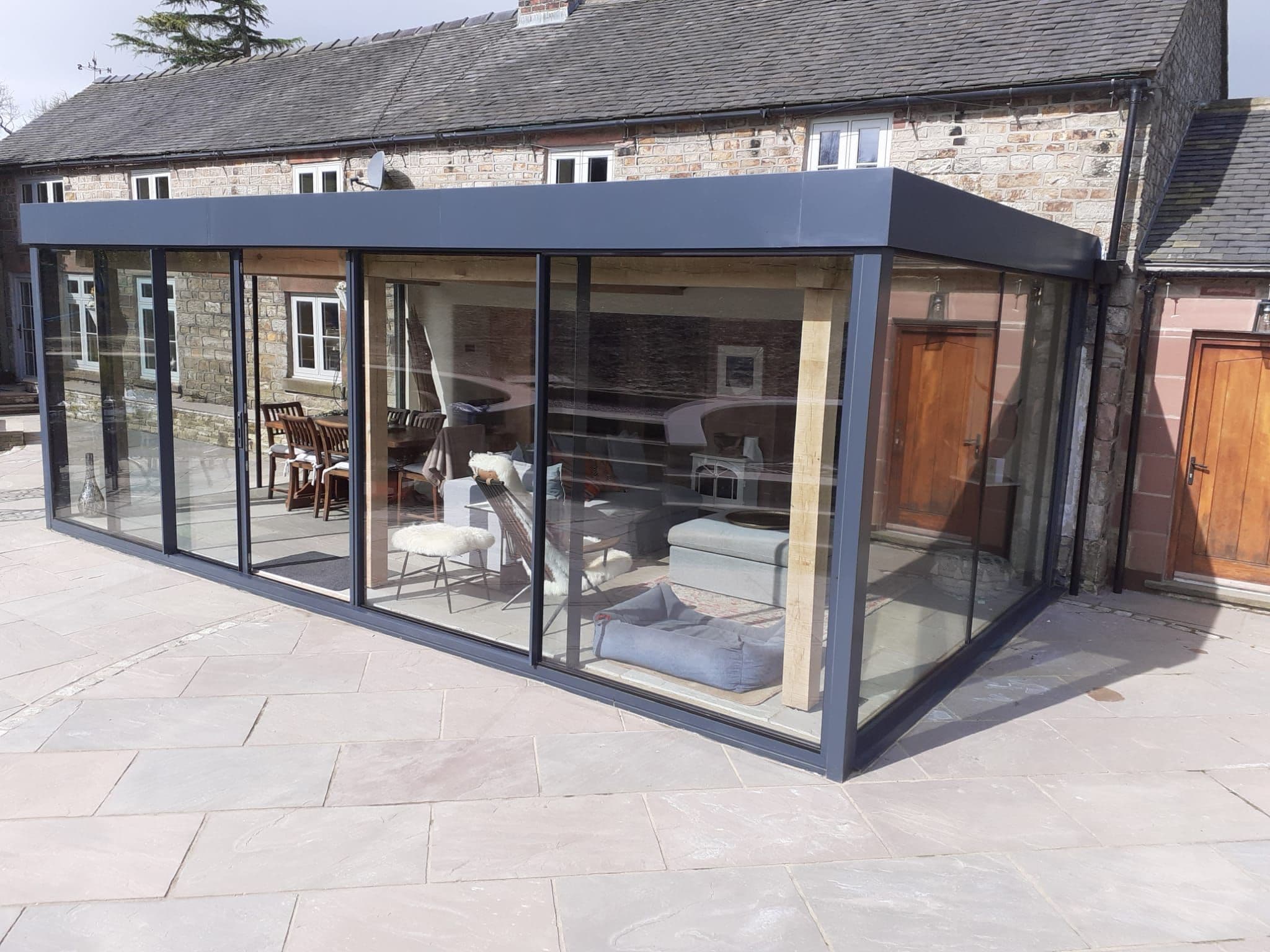
A black-framed glass box in Bowdon, Cheshire — glass roof, corner glazing and wide Cortizo sliding doors set against warm brick.
📍 Bowdon, Cheshire
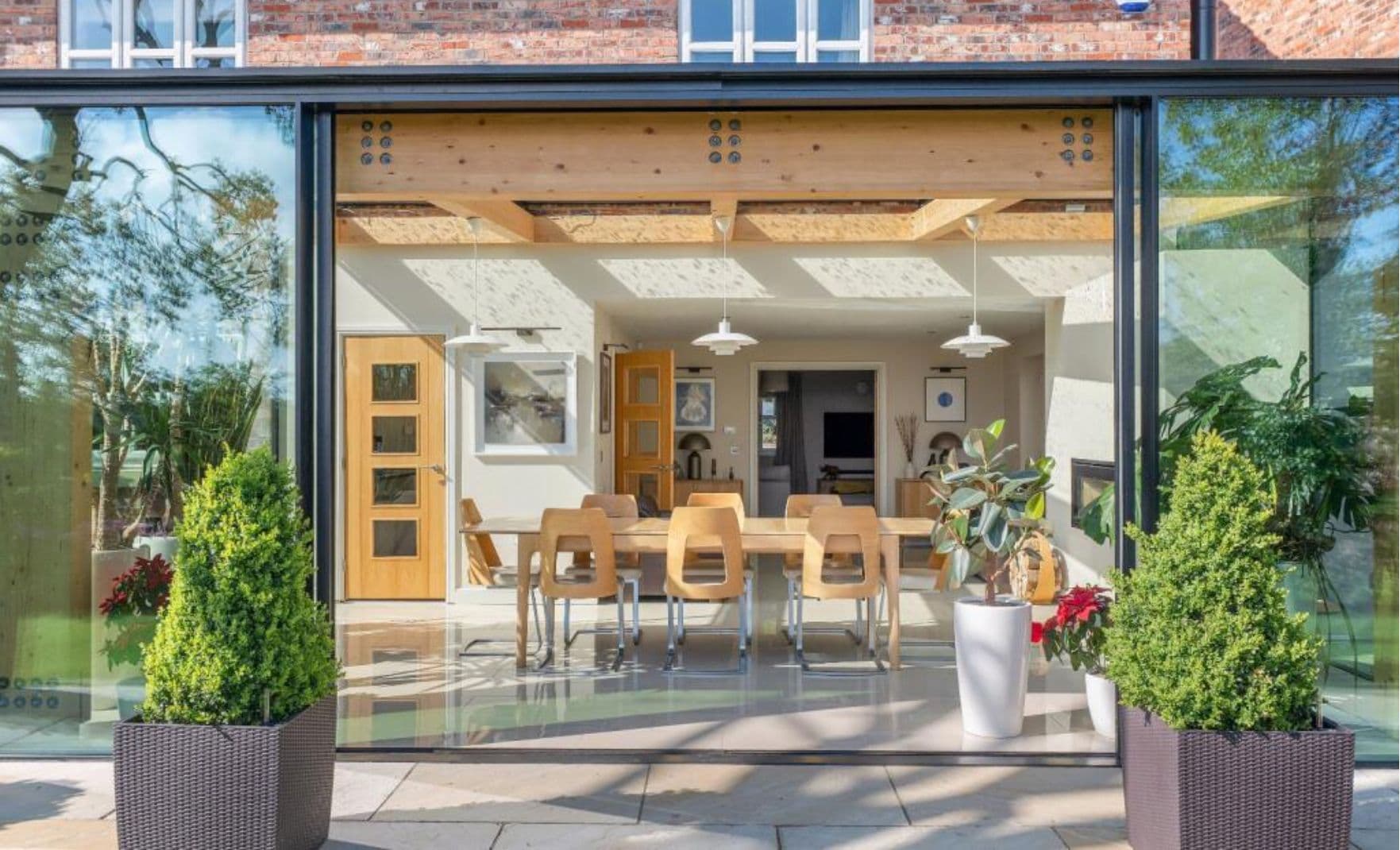
A plain summary of the 2027 Part L changes as they affect windows, doors, rooflights and glazed extensions — dates, transitional rules, the numbers that moved and the ones that didn't, and what to do on live projects now.

Part O caps the glazed area of every new home room by room, by orientation and ventilation. The moderate-risk figures for Liverpool, Manchester and the North West, what happens when a design exceeds them, and how to keep the big glass.

From 24 March 2027 every window on a new home must be calculated at its real size with every frame component included. What changes, who it catches, and how steel, aluminium and structural glass get to 1.2 W/m²K.
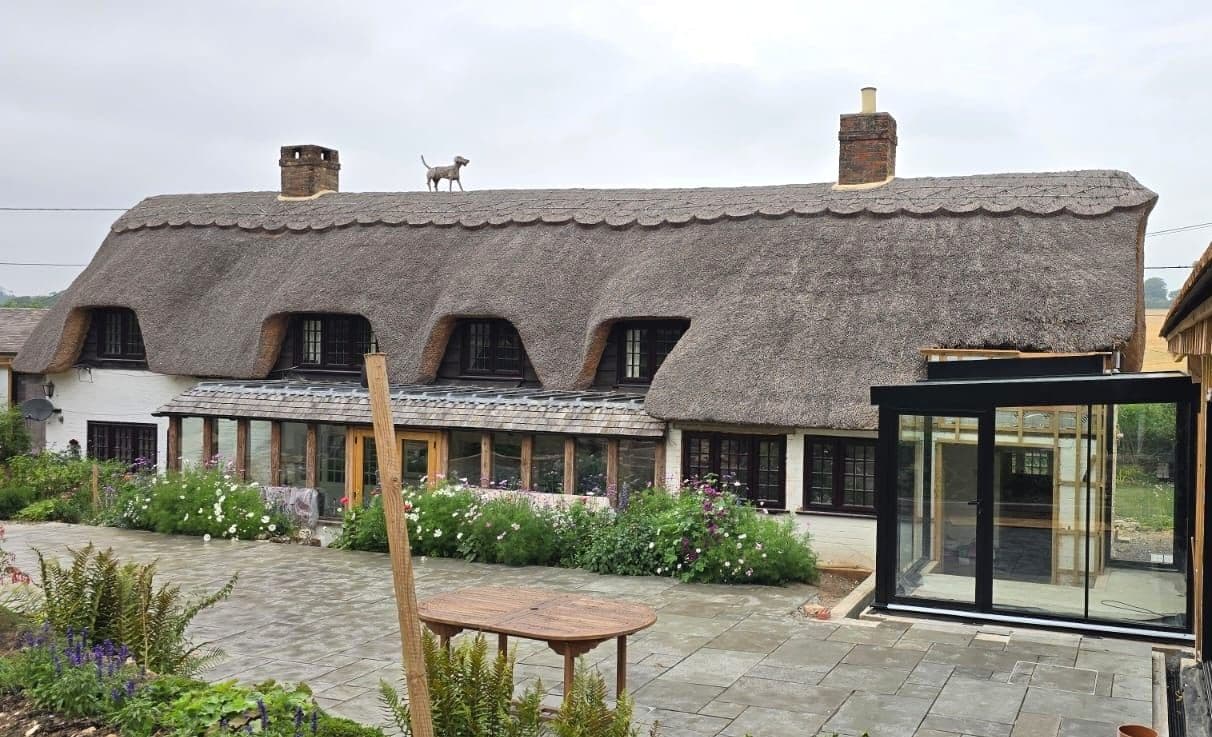
Most of the houses we glaze are old. Georgian terraces in Liverpool, Victorian villas in Cheshire and South Manchester, stone farmhouses in Lancashire and the Dales. Here is why structural glass tends to be the extension that gets approved on a period home, and how the old wall and the new glass are made to meet.
People planning a glass box, link or corridor usually want to know two things: how long it takes and what happens in between. This is the sequence every one of our North West projects follows, from the first site visit in Cheshire, Lancashire or Merseyside to the day the glass goes in.