Glass Corridors: A Modern Architectural Solution for Connecting Buildings
Glass Corridors: A Modern Architectural Solution for Connecting Buildings

Glass corridors have become an increasingly popular architectural feature for both residential and commercial properties. Designed to connect separate structures while maintaining natural light and visual openness, a glass corridor provides a seamless transition between spaces without compromising aesthetics or functionality.
Whether linking two buildings, extending a property, or creating a striking architectural statement, glass corridors offer a contemporary solution that blends design, practicality, and energy efficiency. They are particularly popular in heritage renovations, modern homes, educational campuses, offices, hotels, and healthcare facilities where maintaining connectivity while preserving natural light is essential.
In this guide, we explore everything you need to know about glass corridors, including their benefits, design considerations, construction methods, and why they are an ideal solution for joining buildings together.
What Is a Glass Corridor?
A glass corridor is a fully or partially glazed walkway that connects two separate spaces or buildings. Unlike traditional enclosed hallways, glass corridors use large glazed panels, structural glass systems, or aluminium-framed glazing to create a transparent or semi-transparent passage.
These corridors are often referred to by several related terms, including:
- Glass links
- Glass link extensions
- Glazed corridors
- Glass walkways
- Structural glass links
- Glass connection corridors
The primary purpose of a glass corridor is to provide a physical connection between buildings while allowing light to pass through the space and preserving views of the surrounding environment.
Glass corridors can be designed as simple glazed walkways or as more architecturally ambitious structures incorporating frameless glass, minimal steel supports, or bespoke aluminium systems.
Why Choose a Glass Corridor?
Glass corridors are not simply a design trend. They offer numerous functional and aesthetic benefits that make them an attractive solution for connecting buildings.
Maximising Natural Light
One of the most significant advantages of a glass corridor is the amount of natural light it allows into a building. Traditional brick or concrete corridors can create dark transitions between spaces. Glass corridors eliminate this issue by allowing daylight to pass freely through the structure.
This can significantly improve the internal environment, making connected spaces feel brighter and more welcoming.
Creating Visual Connectivity
Glass corridors allow occupants to maintain visual connections with the surrounding landscape or architecture. This creates a feeling of openness and continuity between spaces.
For residential properties, this means enjoying garden views while moving between buildings. In commercial buildings, it can help create a sense of transparency and openness within the workplace.
Preserving Architectural Identity
When connecting two buildings—especially older or heritage properties—it is often important to avoid altering the original structures too drastically.
A glass corridor acts as a subtle connector that allows both buildings to retain their individual architectural character while still functioning as a unified space.
Modern Architectural Appeal
Glass corridors have a sleek and contemporary appearance that enhances the overall design of a property. Their clean lines and minimalist materials complement both modern and traditional architecture.
When designed well, a glass corridor can become a striking architectural feature in its own right.
Flexible Design Options
Glass corridors can be designed in many different ways depending on the project requirements. Options include:
- Frameless structural glass
- Aluminium-framed glazing
- Steel-supported glass systems
- Curved or angled designs
- Flat or pitched roofs
- Floor-to-ceiling glazing
This flexibility allows architects and designers to create bespoke solutions tailored to each project.
Common Uses for Glass Corridors
Glass corridors are used in a wide range of architectural applications. Their versatility makes them suitable for both residential and commercial developments.
Connecting Residential Buildings
In residential settings, glass corridors are often used to connect:
- A main house to an annex
- A home to a garage or studio
- Separate wings of a property
- A house to a garden room or extension
Because the structure is transparent, it allows homeowners to create a connection without visually overwhelming the existing architecture.
Linking Heritage Buildings
Glass corridors are particularly popular in heritage restoration projects. Planning authorities often prefer glass links because they create a clear distinction between old and new construction.
This allows modern extensions to be added while respecting the original structure.
Educational Campuses
Schools, colleges, and universities frequently use glass corridors to connect buildings across campus. These corridors allow students and staff to move between facilities while remaining protected from the weather.
The natural light provided by glass structures also improves the internal environment for students.
Commercial Offices
Modern office complexes often use glass corridors to link separate office blocks. These connections help create collaborative environments while maintaining the openness and transparency valued in contemporary workplaces.
Healthcare Facilities
Hospitals and medical campuses frequently use glass corridors to connect wards, treatment areas, and administrative buildings. Natural light has been shown to positively affect patient wellbeing, making glass corridors an excellent solution in healthcare design.
Design Considerations for Glass Corridors
Designing a glass corridor requires careful planning to ensure structural integrity, energy efficiency, and visual harmony with the surrounding architecture.
Structural Support
Glass corridors can be supported in several ways depending on the design.
Common structural approaches include:
- Aluminium frame systems
- Steel structures
- Structural glass fins
- Cantilevered designs
The chosen structure must provide adequate support for glass panels while maintaining the desired visual appearance.
Thermal Performance
Because glass corridors have large glazed surfaces, thermal performance is a key consideration.
Modern systems typically use:
- Double glazing
- Triple glazing
- Low-emissivity coatings
- Thermally broken aluminium frames
These technologies help maintain comfortable indoor temperatures and reduce heat loss.
Weather Protection
Glass corridors must provide protection from rain, wind, and temperature fluctuations.
Key weatherproofing elements include:
- Sealed glazing systems
- Integrated drainage
- Weather-resistant seals
- Proper roof pitch
A well-designed glass corridor ensures that the connection between buildings remains comfortable throughout the year.
Privacy Considerations
While transparency is a key feature of glass corridors, privacy can still be maintained through design choices such as:
- Frosted glass panels
- Patterned glazing
- Partial solid panels
- Strategic landscaping
These options allow natural light to enter while controlling visibility where necessary.
Accessibility
Glass corridors must also meet accessibility standards. This includes ensuring:
- Adequate width for wheelchair access
- Level thresholds
- Non-slip flooring
- Safe handrails if required
These features ensure the corridor is safe and accessible for all users.
Types of Glass Corridors
Not all glass corridors are the same. Different design styles can be used depending on the project requirements.
Frameless Glass Corridors
Frameless glass corridors use structural glass panels supported by minimal metal fixings. This creates a highly transparent appearance with uninterrupted views.
These systems are often used in high-end residential projects and architectural landmarks.
Aluminium-Framed Glass Corridors
Aluminium-framed systems are one of the most common solutions for glass corridors. Aluminium offers strength, durability, and excellent thermal performance.
These systems can also be powder-coated in different colours to match the surrounding architecture.
Steel and Glass Corridors
Steel structures are often used when spanning larger distances or supporting heavier loads. The steel frame provides strength while the glazing maintains visual openness.
This approach is frequently used in commercial and institutional buildings.
Structural Glass Link Extensions
Structural glass links use laminated glass beams, fins, and panels to create corridors with minimal visible support.
This creates a dramatic architectural effect and is often used in premium design projects.
Planning Permission and Building Regulations
In many cases, constructing a glass corridor may require planning permission or compliance with local building regulations.
Factors that may affect approval include:
- The size of the corridor
- Its location on the property
- Whether the building is listed or in a conservation area
- The overall visual impact of the structure
Building regulations will also address structural safety, thermal performance, and accessibility.
Working with experienced architects and structural engineers can help ensure the project meets all regulatory requirements.
Glass Corridors for Energy Efficiency
While glass structures were once considered inefficient, modern glazing technology has dramatically improved energy performance.
Today’s glass corridors often feature:
- Low-emissivity glass coatings
- Argon-filled glazing units
- Solar control glass
- Thermally broken frames
These technologies help maintain internal comfort while reducing energy consumption.
In some cases, glass corridors can even improve passive solar gain by allowing sunlight to warm adjoining spaces during colder months.
Maintenance and Durability
Glass corridors are designed to be durable and long-lasting. However, regular maintenance helps keep them looking their best.
Maintenance tasks typically include:
- Cleaning glass panels
- Checking seals and joints
- Inspecting structural supports
- Clearing drainage systems
Modern glazing systems are designed to withstand weather exposure, making them suitable for long-term use in both residential and commercial environments.
The Architectural Impact of Glass Corridors
Beyond their practical benefits, glass corridors can dramatically enhance the architectural character of a property.
They create a sense of movement and connection between spaces while allowing natural light to flow freely through the structure.
Architects often use glass corridors as transitional spaces that visually separate different building elements. This can create a powerful contrast between traditional and contemporary design.
When executed well, a glass corridor becomes far more than a simple walkway—it becomes a defining architectural feature.
Related Content
Discover more content related to this blog
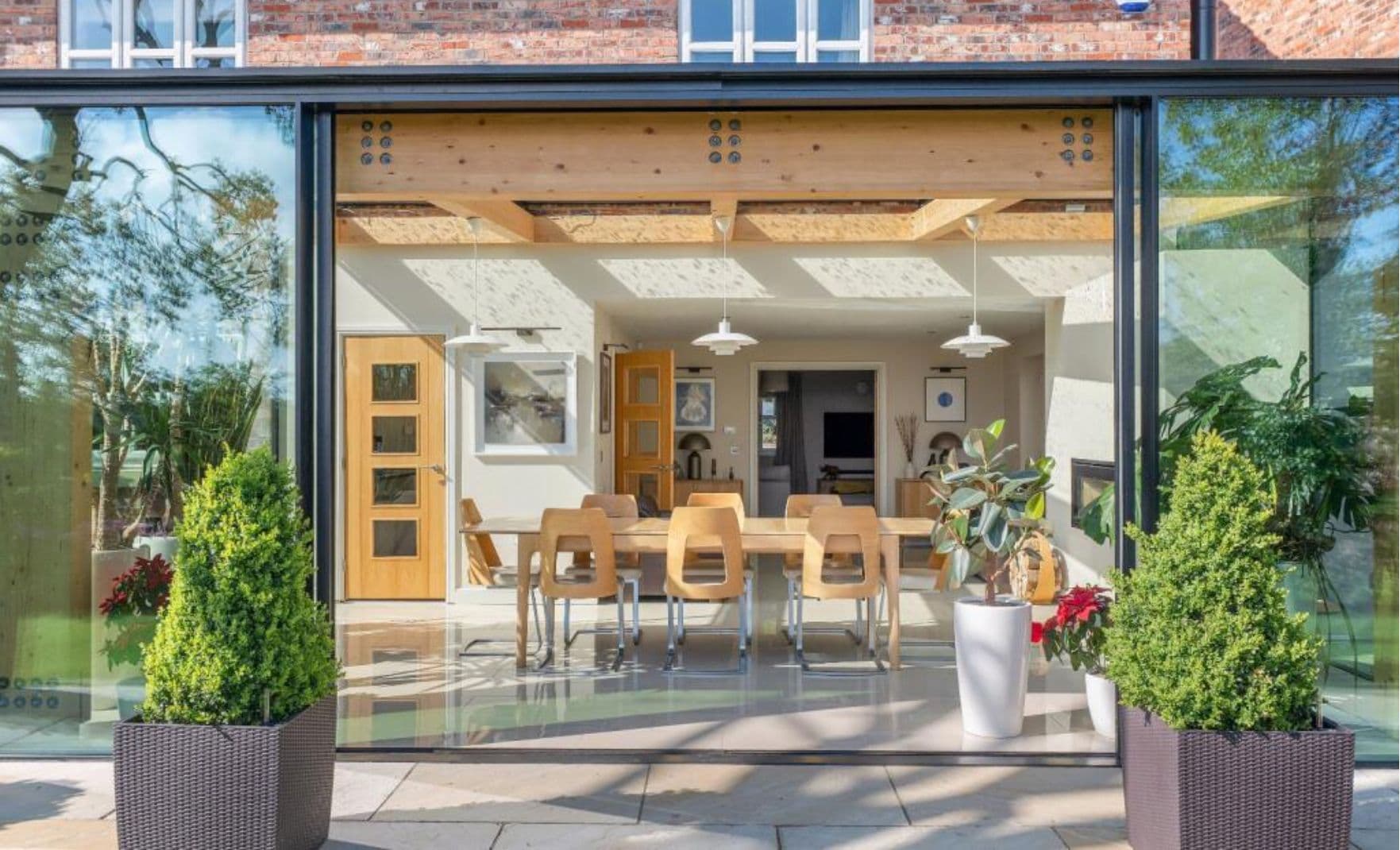
A plain summary of the 2027 Part L changes as they affect windows, doors, rooflights and glazed extensions — dates, transitional rules, the numbers that moved and the ones that didn't, and what to do on live projects now.

Part O caps the glazed area of every new home room by room, by orientation and ventilation. The moderate-risk figures for Liverpool, Manchester and the North West, what happens when a design exceeds them, and how to keep the big glass.

From 24 March 2027 every window on a new home must be calculated at its real size with every frame component included. What changes, who it catches, and how steel, aluminium and structural glass get to 1.2 W/m²K.
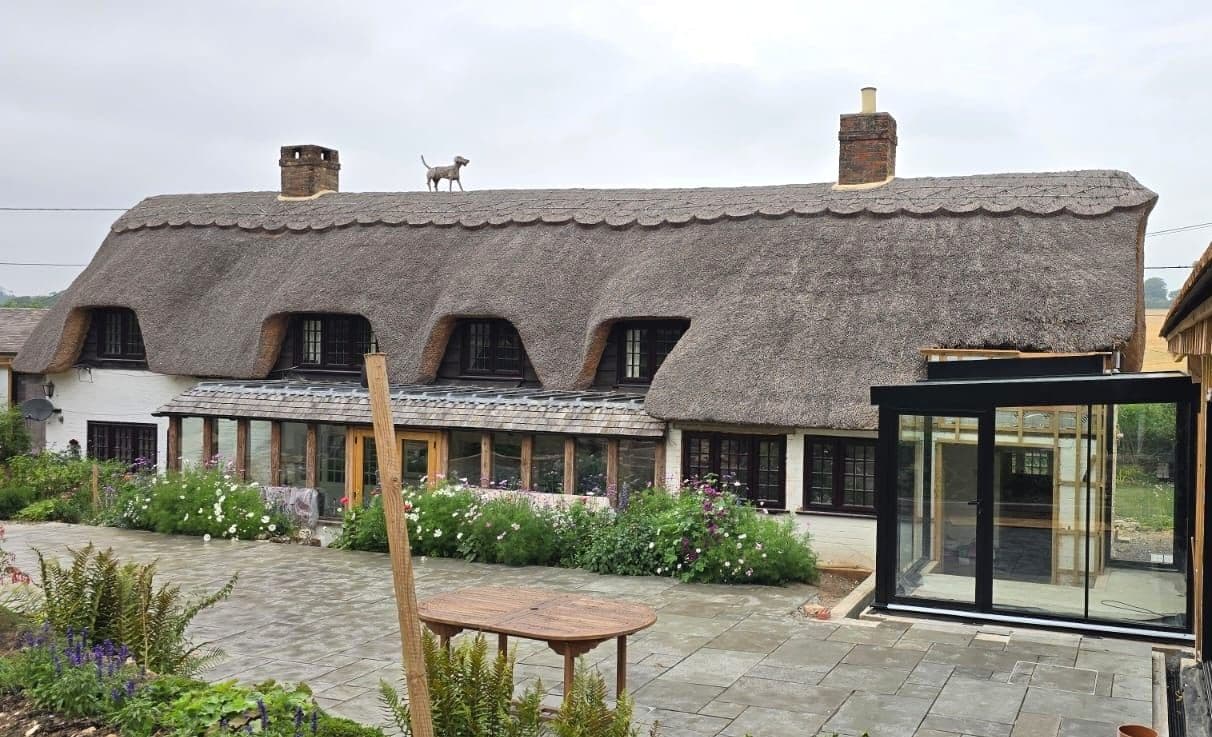
Most of the houses we glaze are old. Georgian terraces in Liverpool, Victorian villas in Cheshire and South Manchester, stone farmhouses in Lancashire and the Dales. Here is why structural glass tends to be the extension that gets approved on a period home, and how the old wall and the new glass are made to meet.
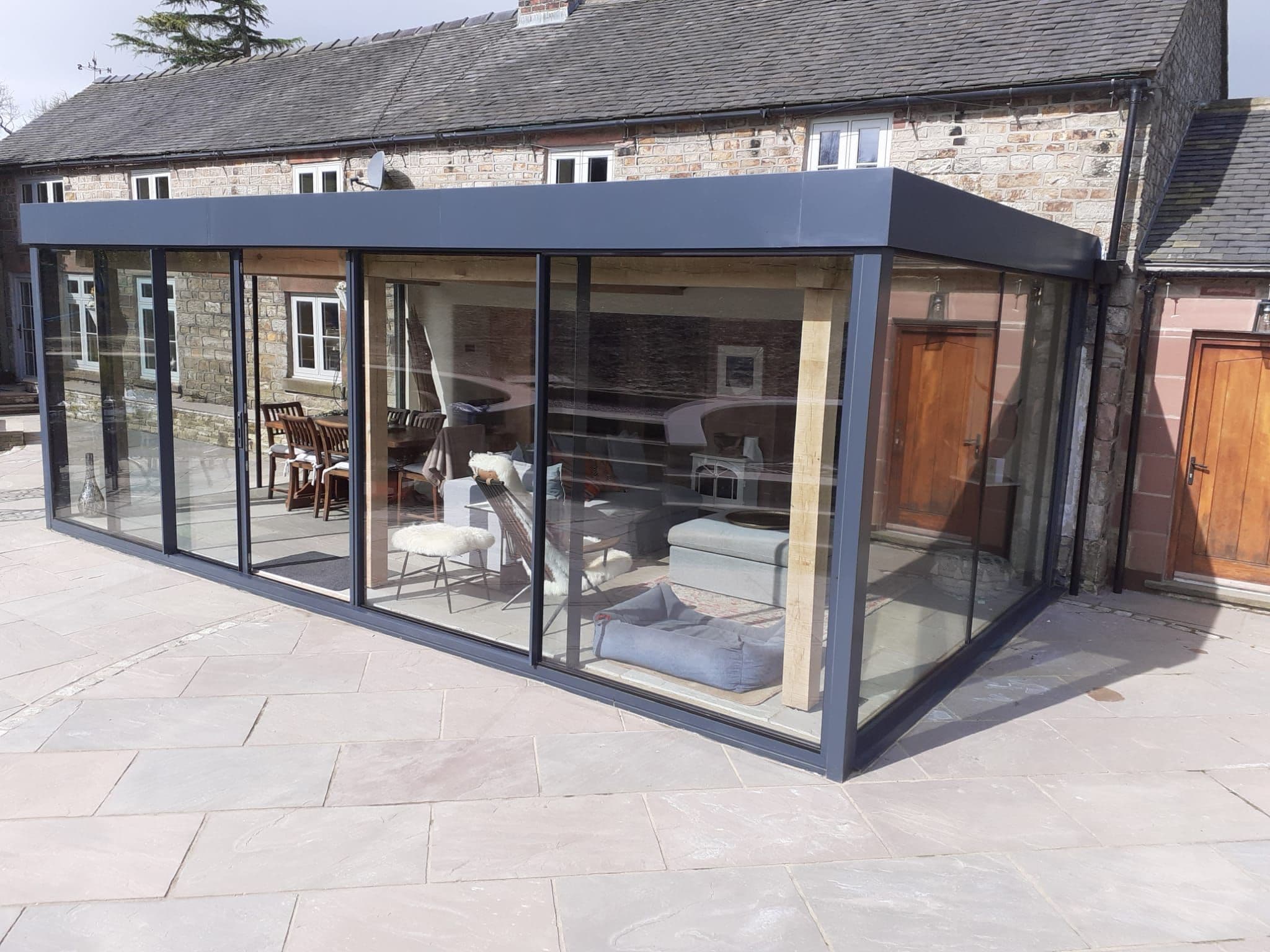
People planning a glass box, link or corridor usually want to know two things: how long it takes and what happens in between. This is the sequence every one of our North West projects follows, from the first site visit in Cheshire, Lancashire or Merseyside to the day the glass goes in.
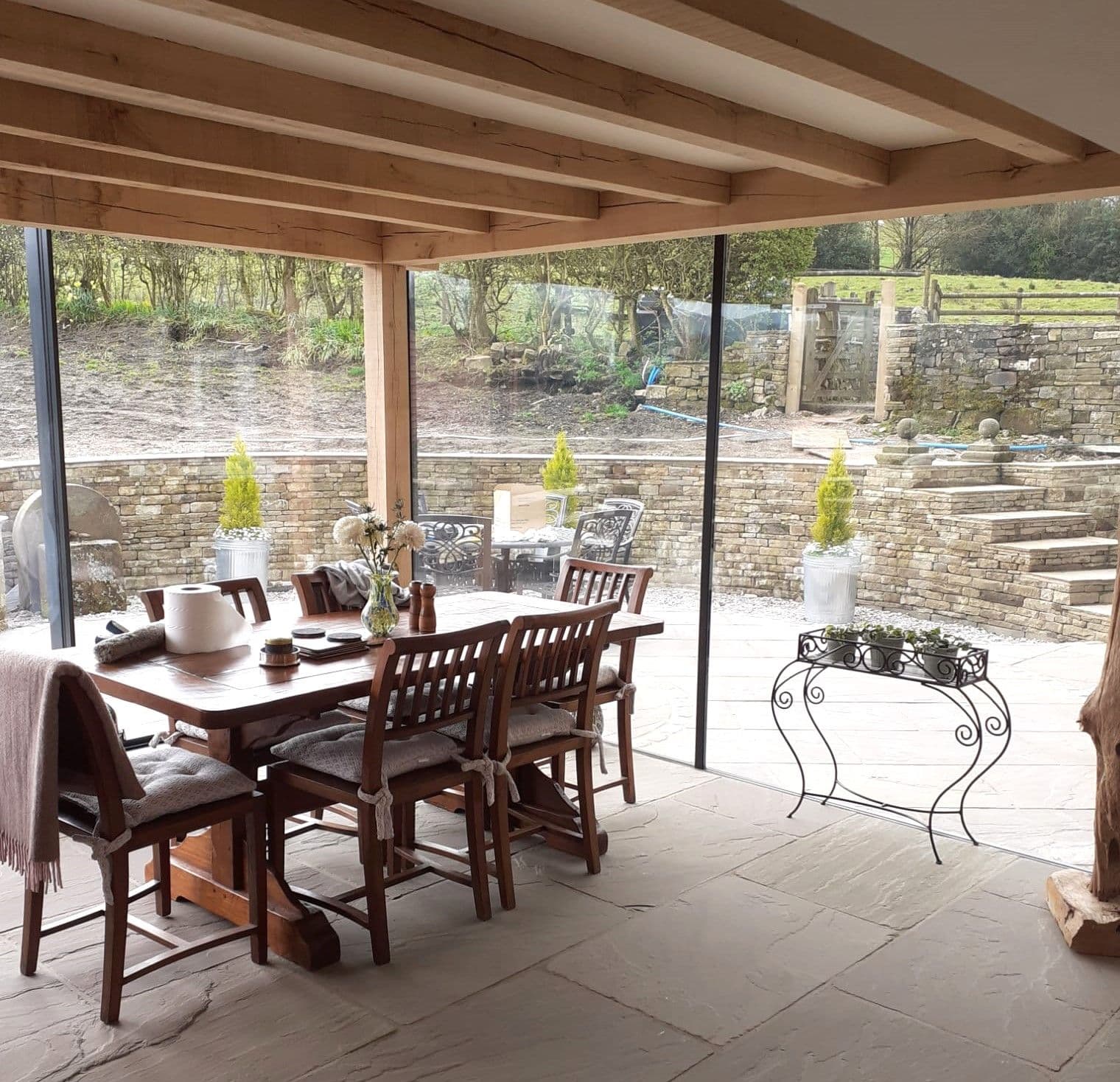
The two worries every client raises about a glass room are that it will be freezing in winter and a greenhouse in summer. Both used to be true. Here is how modern structural glazing is specified so that neither is — and what we watch for on North West projects in particular.