Glass Roof Extensions: Rooflights, Glass Roofs and Structural Glazing Explained
A plain-English guide to glass roof extensions — the types of rooflight and glass roof to consider, how they handle light and heat, planning, and upkeep.

What a glass roof extension actually is
A glass roof extension brings daylight in from above. Instead of a solid roof over your new room, all or part of the roof is glazed — so you get sky, sun and a sense of height that a standard extension can’t give you.
It’s a broad term, though, and it covers everything from a single flat rooflight set into a plastered ceiling to a fully glazed structural glass roof spanning the whole room. The right choice depends on how much light you want, how the room sits against the rest of the house, and the look you’re after.
This guide walks through the main types of glass roof for an extension, how they handle light and heat, and the planning and maintenance points worth knowing before you commit. If you already know you want a fully glazed room, our glass box extensions page covers that in more detail.
Flat rooflights
The most common starting point. A flat (or near-flat) rooflight sits within a solid roof and floods the space below with overhead light. They suit kitchen and dining extensions where you want daylight but still need wall space for units and storage.
Frameless versions sit on a slim upstand with almost no visible frame from inside, so you’re left with a clean rectangle of sky. You can run a single large pane or a row of them depending on the span. See an example on our oversized glass rooflights project.
Structural glass roofs
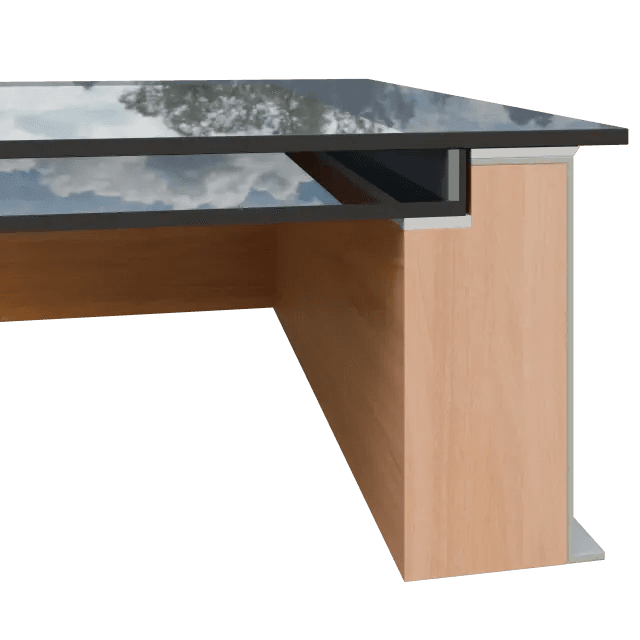
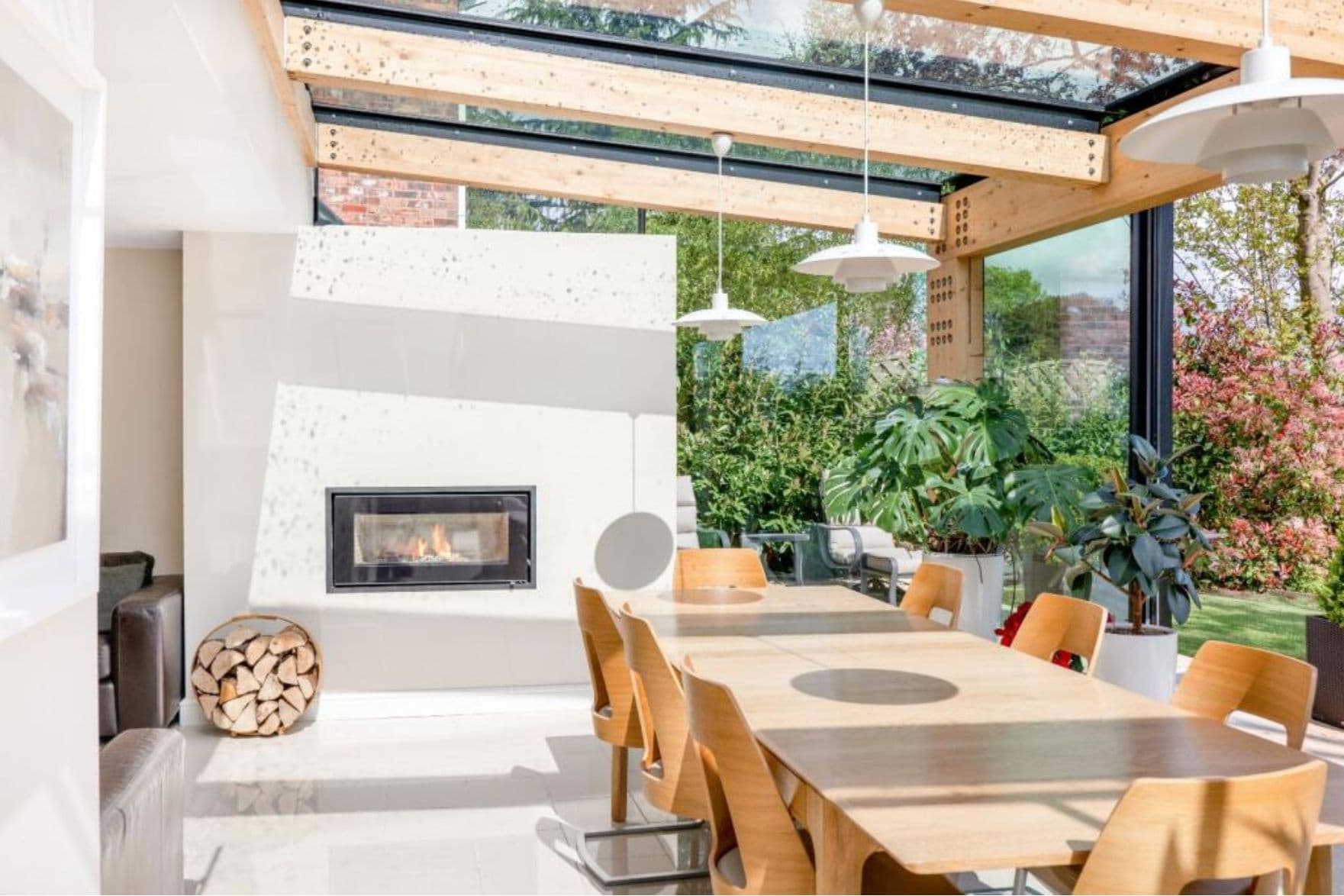
Where a rooflight is a panel set into a solid roof, a structural glass roof uses the glass itself as part of the structure — beams of glass, or minimal steel and glulam framing, carrying glazed panels across a wider span.
This is the route for a room that feels open to the sky rather than simply lit from above. It works beautifully on side-return and rear extensions where you want the new roof to read as glass rather than as a ceiling with a hole in it. Our glulam frame glass box extension shows how a warm timber frame can carry a largely glazed roof.
Roof glazing as part of a glass box
A full glass box extension takes this further again, with glazed walls and roof meeting at frameless corners. A glass roof extension doesn’t have to go that far — many homes pair solid or part-glazed walls with a glazed roof, keeping privacy at eye level while opening up the view above. If you’re weighing the two, our guide on how a glass extension compares to a traditional extension is a useful read.

Lanterns and the alternatives
Roof lanterns — the pitched, framed structures that sit proud of a flat roof — are a familiar sight on extensions. They do the job, but the framing is heavier and more visible than a flat frameless rooflight or a structural glass roof.
If you like the raised, light-from-all-sides feel of a lantern but want a cleaner look, a frameless flat rooflight or a low-profile structural glass roof is usually the better fit for a contemporary home. On a period property the choice often comes down to how the new roof sits against the original brick or stone, and what your conservation officer will accept.
There’s no single right answer here. It’s worth looking at finished work to see how each option feels in a real room — our projects and case studies pages are a good place to start.
Light and heat: getting the glass right
The biggest worry homeowners raise about a glass roof is overheating in summer and heat loss in winter. Both are manageable with the right specification.
Overhead glass catches more sun than a vertical window, so the glass spec matters more on a roof than anywhere else. Solar-controlled coatings reflect a portion of the sun’s heat while still letting plenty of light through, which keeps a south-facing room comfortable. We cover this in detail in everything you need to know about solar controlled glass.
For warmth in winter, modern double or triple glazing with insulated framing keeps a glazed roof close to the performance of a solid one. If you’re worried about comfort year-round, our post on whether glass box extensions are cold tackles the question head-on. We don’t quote U-values here because the right figure depends on your build and your glass — but it’s the kind of detail we’ll set out clearly for your specific project.
What to weigh up before you choose
- ✔
How much daylight you want versus useable wall space
- ✔
Which way the roof faces — south needs more solar control
- ✔
Whether the room reads better as a flat rooflight or a full glass roof
- ✔
How the new roof meets the existing brick, stone or render
- ✔
Drainage falls and where rainwater runs off the glass
- ✔
Access for cleaning, especially on a higher or larger roof
Planning and building regulations
Many glass roof extensions fall under permitted development, but it depends on the size of the extension, your property type and whether you’re in a conservation area or working on a listed building. Rooflights set into an existing roof slope are often more straightforward than a new glazed roof on an extension.
Building regulations apply either way, covering thermal performance, structural support for the glass, and safety glazing overhead. None of this should put you off — it’s routine work — but it’s worth factoring into your timeline. If you’re in Cheshire, Greater Manchester, Lancashire or anywhere across the North West, we’re happy to talk through what’s likely for your home before you commit to a design.
Maintenance and upkeep
Glass roofs need less attention than people expect. Self-cleaning coatings reduce how often the glass needs washing, and rain does a lot of the work on a flat or gently pitched roof. For larger or higher roofs, plan access in from the start — it’s far easier to allow for cleaning at the design stage than to retrofit it later. Good seals and proper drainage falls keep water moving and prevent pooling, which is the main thing to get right on any roof glazing.
Glass roof extension FAQs
Often they fall under permitted development, but it depends on the size, your property and whether you’re in a conservation area or listed building. Building regulations apply in all cases, so it’s worth checking before you finalise a design.
Bespoke glazing across the North West
Let's design the right glass roof for your extension
From a single frameless rooflight to a fully glazed structural roof, we’ll help you choose the right approach for your home and set out the detail clearly. Tell us about your project and we’ll take it from there.
Related Content
Discover more content related to this blog
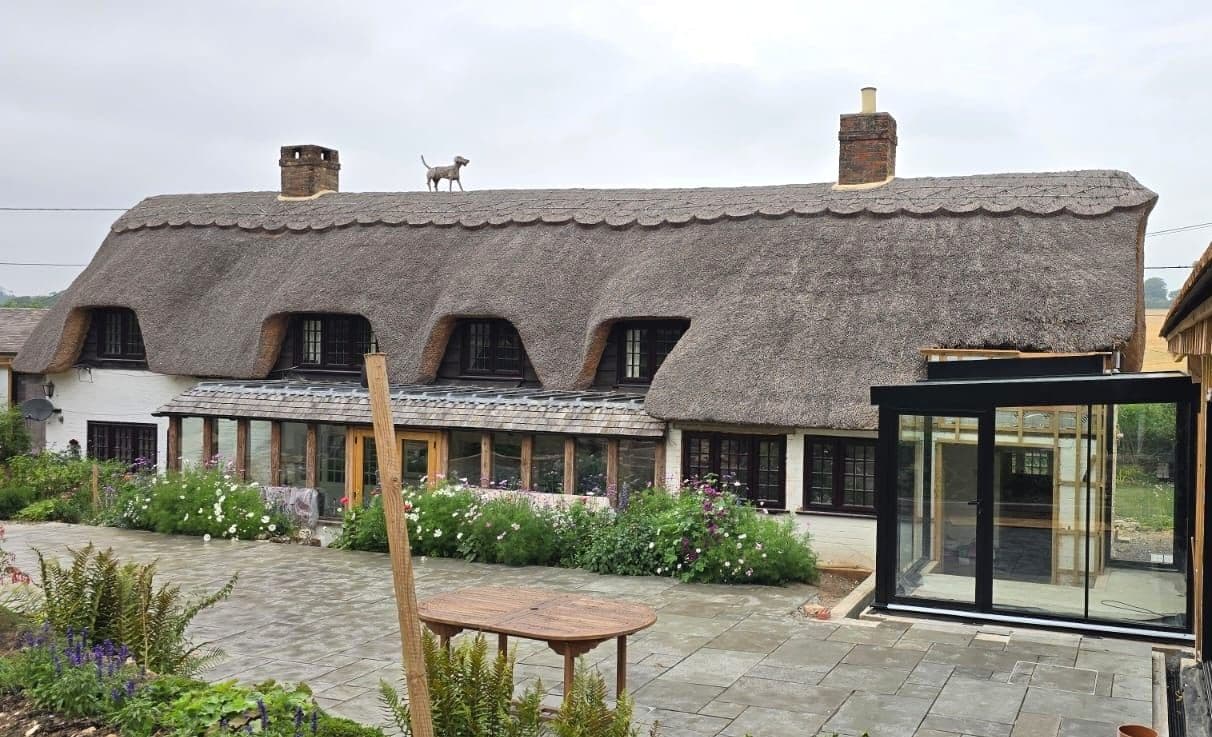
Most of the houses we glaze are old. Georgian terraces in Liverpool, Victorian villas in Cheshire and South Manchester, stone farmhouses in Lancashire and the Dales. Here is why structural glass tends to be the extension that gets approved on a period home, and how the old wall and the new glass are made to meet.
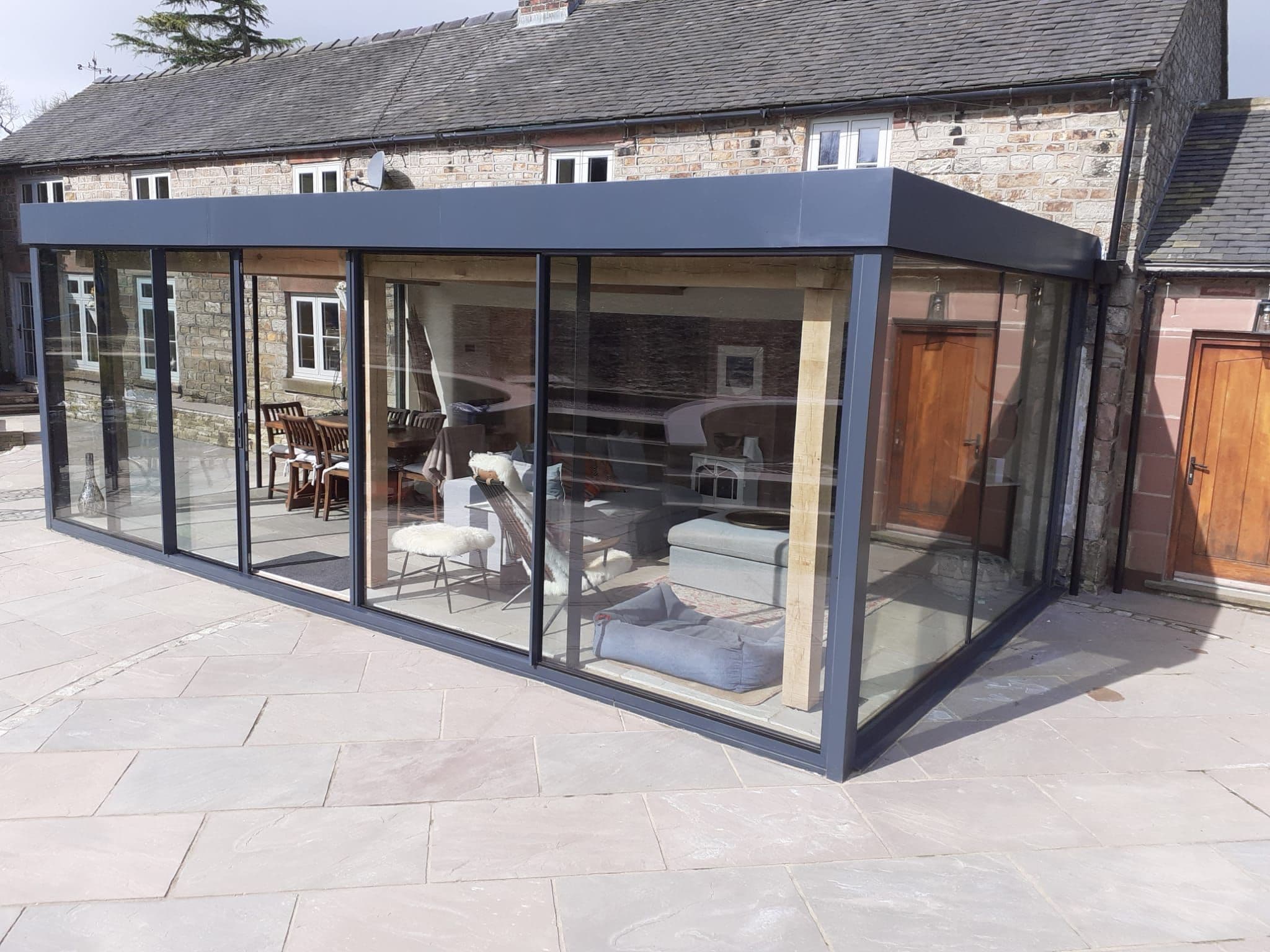
People planning a glass box, link or corridor usually want to know two things: how long it takes and what happens in between. This is the sequence every one of our North West projects follows, from the first site visit in Cheshire, Lancashire or Merseyside to the day the glass goes in.
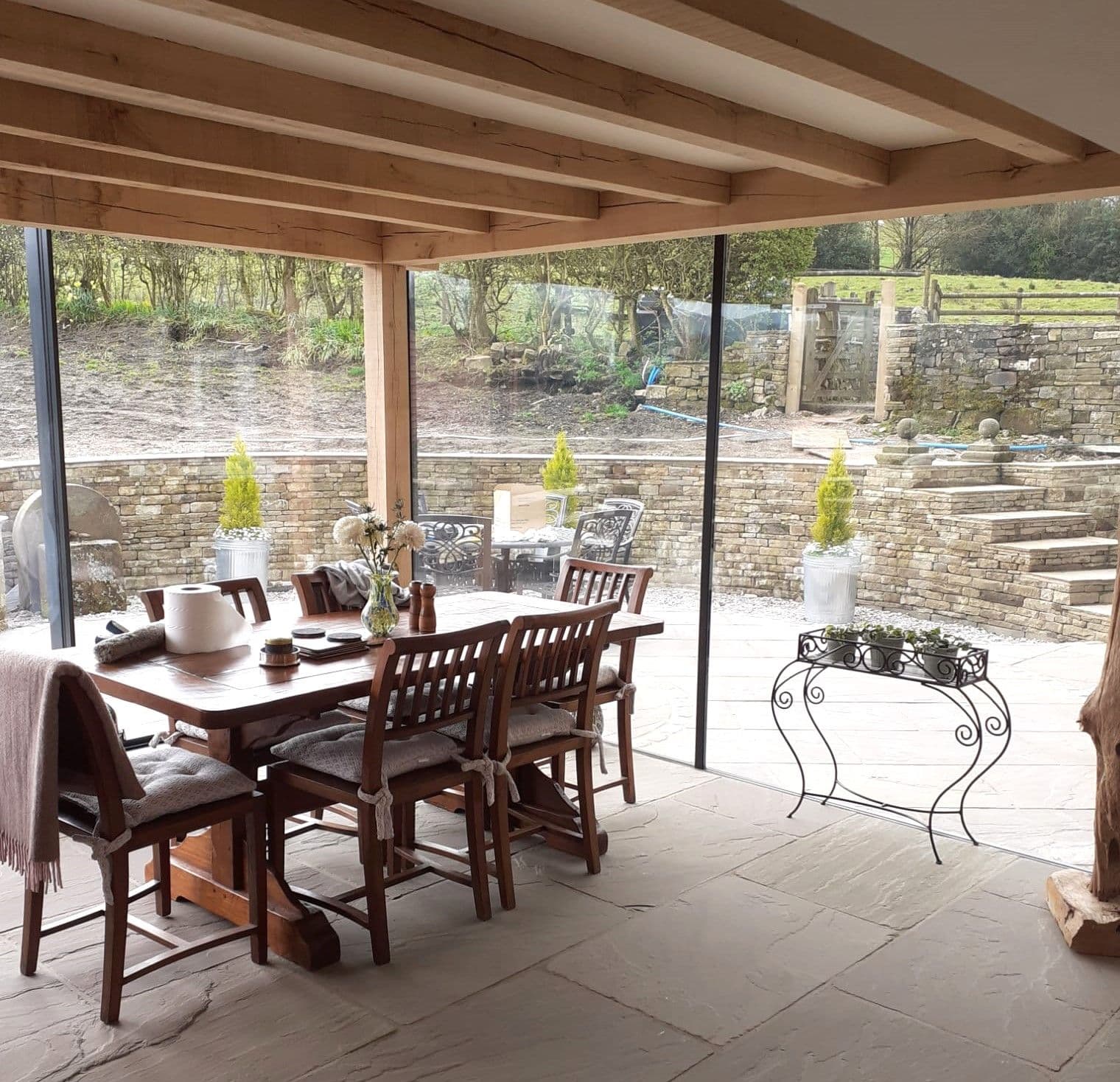
The two worries every client raises about a glass room are that it will be freezing in winter and a greenhouse in summer. Both used to be true. Here is how modern structural glazing is specified so that neither is — and what we watch for on North West projects in particular.

Manchester's housing stock — red-brick Victorian terraces and villas, Edwardian semis in Didsbury, Chorlton, Sale and Altrincham — is almost ideal for a frameless glass box. Here is why, and the three practical issues that come up on nearly every Manchester project.
Clients ask what is holding the roof up on a glass box, and the answer is usually more glass. This is a plain-English look at fins, beams, silicone joints and the steel you never see — the parts of a frameless extension that make the parts you do see possible.

The three terms get used interchangeably and they should not be. A glass box adds space, a glass link joins two buildings, a glass corridor is a route. Here is how to tell which one your home needs, with examples from projects across the North West.