How Can I Use Bespoke Glazing to Create a Frameless Corner Window Feature?
Discover how bespoke glazing can be used to create stunning frameless corner window features, maximising light, views, and architectural impact in modern homes.
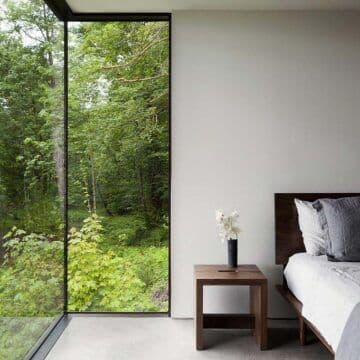
Frameless corner windows have become a defining feature of contemporary architecture, offering uninterrupted views, exceptional natural light, and a striking sense of openness. With the right bespoke glazing solution, it’s possible to remove the traditional corner post entirely and create a clean, minimalist glass-to-glass junction that elevates both modern and period properties alike.
In this article, we explore how bespoke glazing can be used to create a frameless corner window feature, what’s involved in the design and installation process, and what to consider to achieve the best possible result.
What Is a Frameless Corner Window?
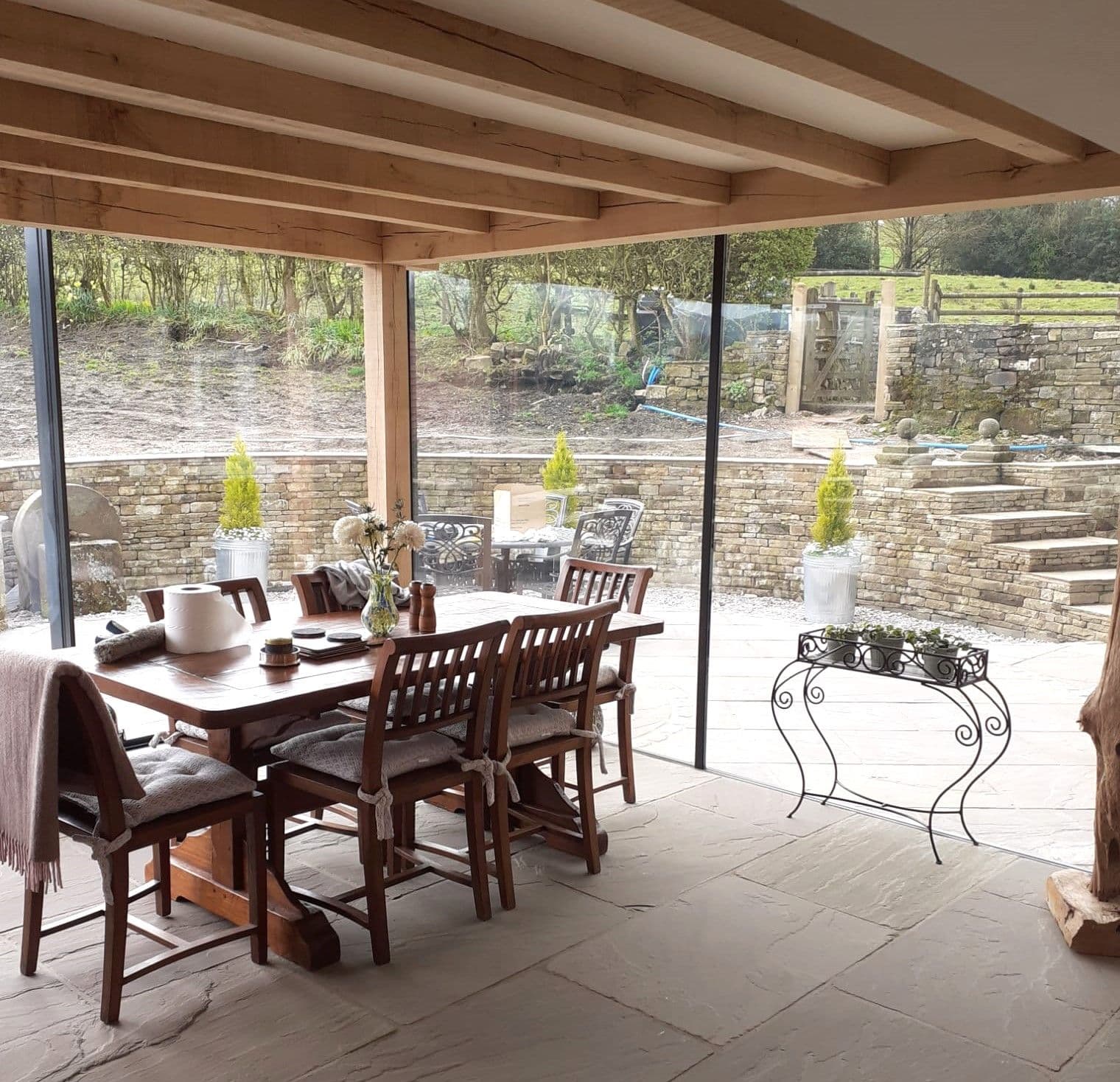
A frameless corner window is a glazing feature where two panes of glass meet at a corner without a visible supporting frame or structural mullion. Instead of a bulky post, the glass panes are either structurally bonded or carefully detailed to meet seamlessly, creating the impression that the corner of the building is entirely made of glass.
This type of detail is particularly popular in:
- High-end residential extensions
- Contemporary new-build homes
- Glass box and architectural glazing projects
- Living spaces designed to maximise views and daylight
Why Bespoke Glazing Is Essential
Frameless corner glazing is not an off-the-shelf solution. Every project requires a bespoke approach due to structural, architectural, and performance considerations.
With bespoke glazing, each element is designed specifically for the project, including:
- Glass thickness and specification
- Load-bearing requirements
- Thermal performance
- Acoustic insulation
- Structural detailing at the corner junction
This ensures the finished installation is not only visually impressive but also safe, compliant, and built to last.
Structural Considerations: Removing the Corner Post
One of the most important aspects of a frameless corner window is how the building is supported once the corner post is removed.
In most cases, the structural load is transferred using:
- A concealed steel beam above the opening
- Engineered lintels or goalpost-style steelwork
- Structural glass fins where appropriate
Close collaboration between your glazing specialist, architect, and structural engineer is essential at this stage. Early involvement allows the glazing to be designed in harmony with the structure, rather than retrofitted later.
Integrating Sliding or Opening Elements
Frameless corner glazing doesn’t have to be fixed.
Bespoke solutions can incorporate:
- Sliding doors that disappear into pockets
- Large-format sliding systems meeting fixed glass at the corner
- Minimal opening lights for ventilation
When designed correctly, opening elements can sit alongside frameless fixed glazing while maintaining a consistent sightline and clean architectural finish.
Planning, Installation, and Precision
Installing a frameless corner window requires absolute precision. Tolerances are tight, and the success of the detail depends on careful coordination between all trades.
Key factors include:
- Accurate structural openings
- Correct sequencing of steelwork and glazing
- Precise setting out and alignment
- Specialist installation techniques
This is why frameless corner glazing should always be supplied and installed by an experienced bespoke glazing specialist.
Is a Frameless Corner Window Right for Your Project?
A frameless corner window is an excellent choice if you want to:
- Maximise natural light
- Create a strong connection between inside and outside
- Add a high-end architectural feature
- Enhance the value and visual impact of your property
Whether it’s a contemporary extension, a glass link, or a full-width glazing installation, bespoke glazing allows you to push design boundaries without compromise.
Related Content
Discover more content related to this blog
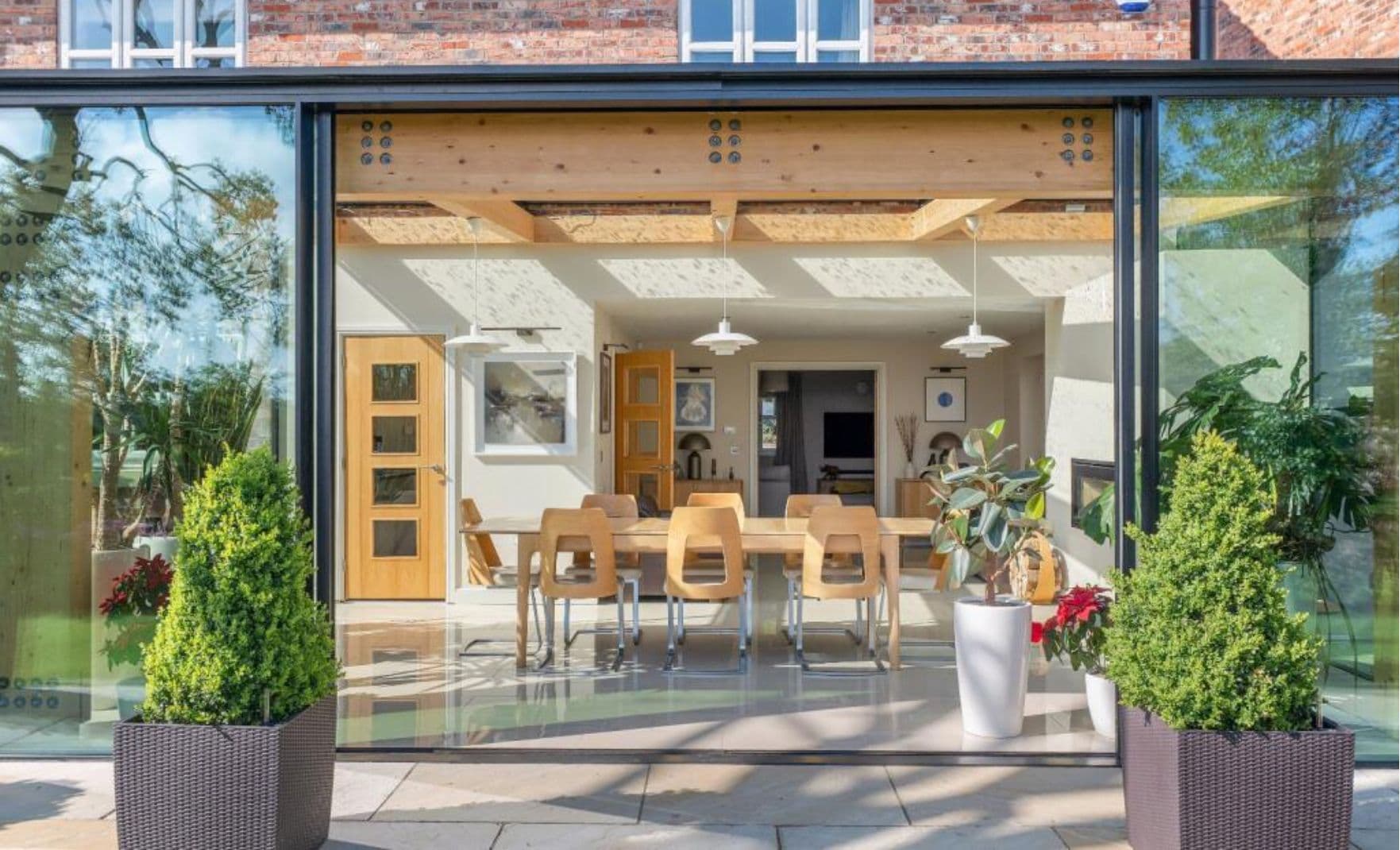
A plain summary of the 2027 Part L changes as they affect windows, doors, rooflights and glazed extensions — dates, transitional rules, the numbers that moved and the ones that didn't, and what to do on live projects now.

Part O caps the glazed area of every new home room by room, by orientation and ventilation. The moderate-risk figures for Liverpool, Manchester and the North West, what happens when a design exceeds them, and how to keep the big glass.

From 24 March 2027 every window on a new home must be calculated at its real size with every frame component included. What changes, who it catches, and how steel, aluminium and structural glass get to 1.2 W/m²K.
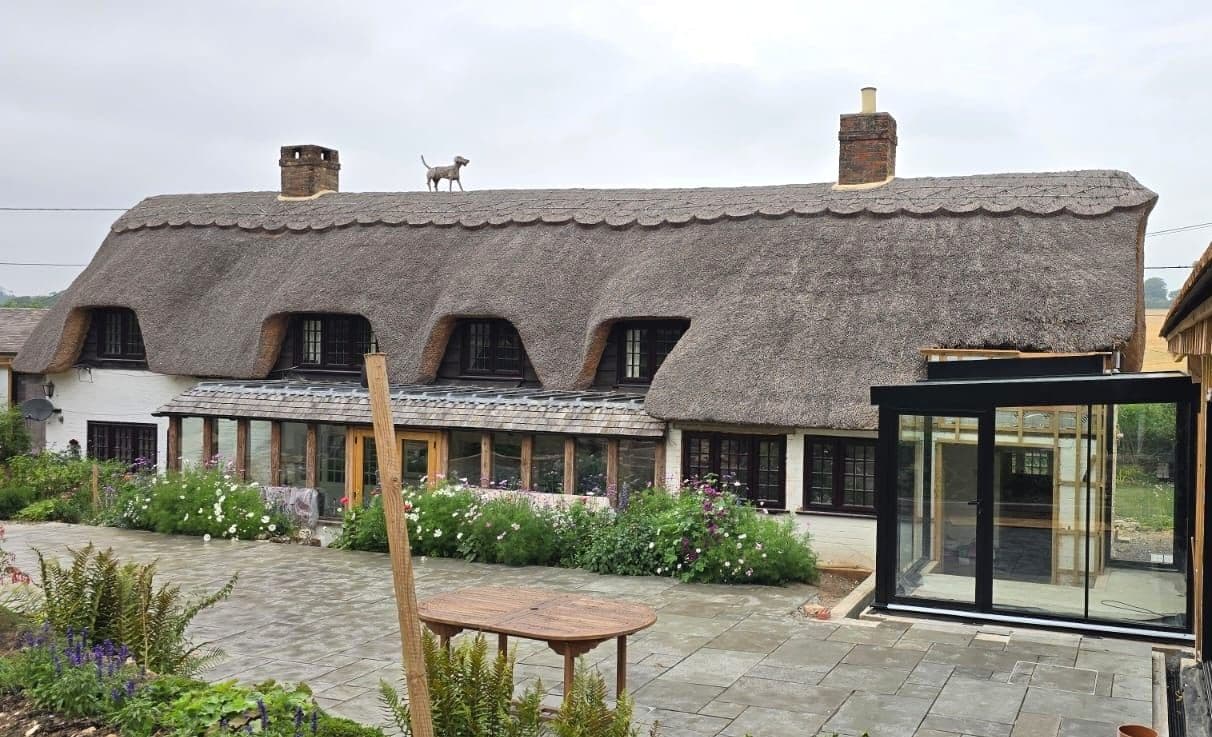
Most of the houses we glaze are old. Georgian terraces in Liverpool, Victorian villas in Cheshire and South Manchester, stone farmhouses in Lancashire and the Dales. Here is why structural glass tends to be the extension that gets approved on a period home, and how the old wall and the new glass are made to meet.
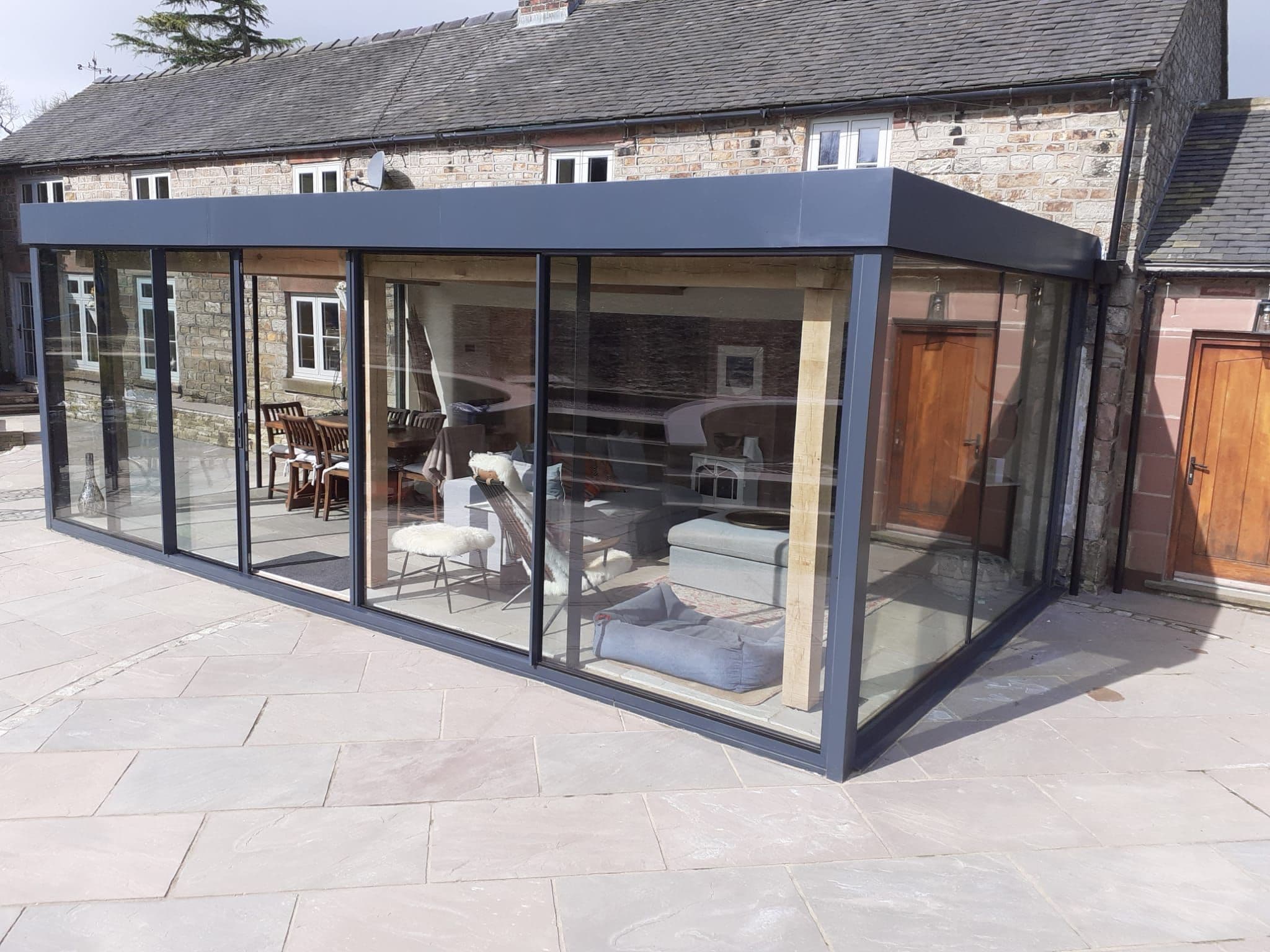
People planning a glass box, link or corridor usually want to know two things: how long it takes and what happens in between. This is the sequence every one of our North West projects follows, from the first site visit in Cheshire, Lancashire or Merseyside to the day the glass goes in.
The two worries every client raises about a glass room are that it will be freezing in winter and a greenhouse in summer. Both used to be true. Here is how modern structural glazing is specified so that neither is — and what we watch for on North West projects in particular.