Glass Balustrades: Style, Safety, and Everything You Need to Know
Glass balustrades have become a signature feature in any modern home.

Sleek, transparent, and ultra-modern, they add style while keeping spaces open and light. But a glass balustrade isn’t just about looks — it’s about safety, quality, and careful design.
Here’s your complete guide to the benefits, installation options, and legal requirements.
1. Benefits of a Glass Balustrade
Glass balustrades do more than look stunning. Here’s why homeowners love them:
a) Visual Appeal
- Clean, minimalist design works with almost any interior style.
- Fully transparent or partially frosted options maintain openness.
- Ideal for staircases, balconies, mezzanine floors, and terraces.
b) Light and Space
- Glass lets natural light flow, making spaces feel larger and brighter.
- Unlike traditional timber or metal railings, they don’t block views.
c) Safety Without Compromise
- Modern glass balustrades are made from toughened or laminated glass, which is strong enough to prevent falls while maintaining transparency.
d) Low Maintenance
- Easy to clean with standard glass cleaner.
- No painting, staining, or rusting like timber or metal alternatives.
2. Legal Safety Requirements
In the UK, glass balustrades are subject to strict regulations to ensure safety:
- Building Regulations Part K (Protection from Falling):
Balustrades must be at least 900mm high for balconies or landings, and 1100mm for stairs in public buildings. - Load Requirements:
Glass panels must withstand horizontal and vertical loads to prevent accidents. - Glass Standards:
Toughened or laminated safety glass must be used.
Laminated glass ensures that if it breaks, fragments stay attached to a protective layer. - Gaps and Openings:
Openings should be small enough to prevent children or pets from slipping through.
Always ensure your installer is compliant with British Standards (BS 6180 for barriers, BS EN 12150 for toughened glass).
3. Choice of Glass
Choosing the right glass is key to safety, durability, and aesthetics:
- Toughened Glass:
Strong and shatters into small granular pieces if broken. Ideal for indoor staircases or low-risk areas. - Laminated Glass:
Two or more glass layers bonded with a PVB interlayer. If broken, it holds together — ideal for balconies and external balustrades. - Clear or Frosted:
Clear maximizes light and views; frosted or patterned glass adds privacy. - Thickness:
Commonly 10-21.5mm, depending on height and load requirements.
4. Fixing Options
How a glass balustrade is attached depends on the location and design preference:
- Side-Fixed:
Glass panels are fixed to the side of the stairs or balcony with discreet metal brackets. Clean look, ideal for staircases. - Base-Fixed:
Panels are fixed to the floor with a base channel or spigots. Often used on balconies or flat surfaces. - Top-Fixed (Less Common):
Glass is anchored from the top edge. Usually combined with handrails. - Frameless vs Framed:
Frameless gives a minimalist, modern appearance; framed provides extra support and can be more cost-effective.
5. Handrails: Function Meets Style
While glass itself can act as a barrier, a handrail adds stability, safety, and style:
- Materials:
- Stainless steel: modern, durable, low maintenance
- Timber: warm and traditional
- Aluminium: lightweight, corrosion-resistant
- Placement:
- Staircases: typically 900-1000mm above stair pitch
- Balconies: mounted on top of glass or side-mounted
- Integrated LED Options:
For a contemporary look, LED handrails can provide both ambience and guidance in low-light areas.
6. Professional Installation is Crucial
Glass balustrades require expert installation:
- Incorrect fixings or glass thickness can compromise safety.
- Must comply with Building Regulations and British Standards.
- Quality installers ensure correct spacing, secure fittings, and level alignment.
7. Final Thoughts
A glass balustrade is more than a stylish accessory — it’s a safe, practical, and light-enhancing feature that adds value to your home.
Whether you’re linking a mezzanine, stairway, or balcony, choosing the right glass, fixings, and handrail will ensure it’s beautiful, durable, and compliant.
For homeowners looking to elevate their space, a professionally installed glass balustrade is a smart investment that combines style and function.
Related Content
Discover more content related to this blog
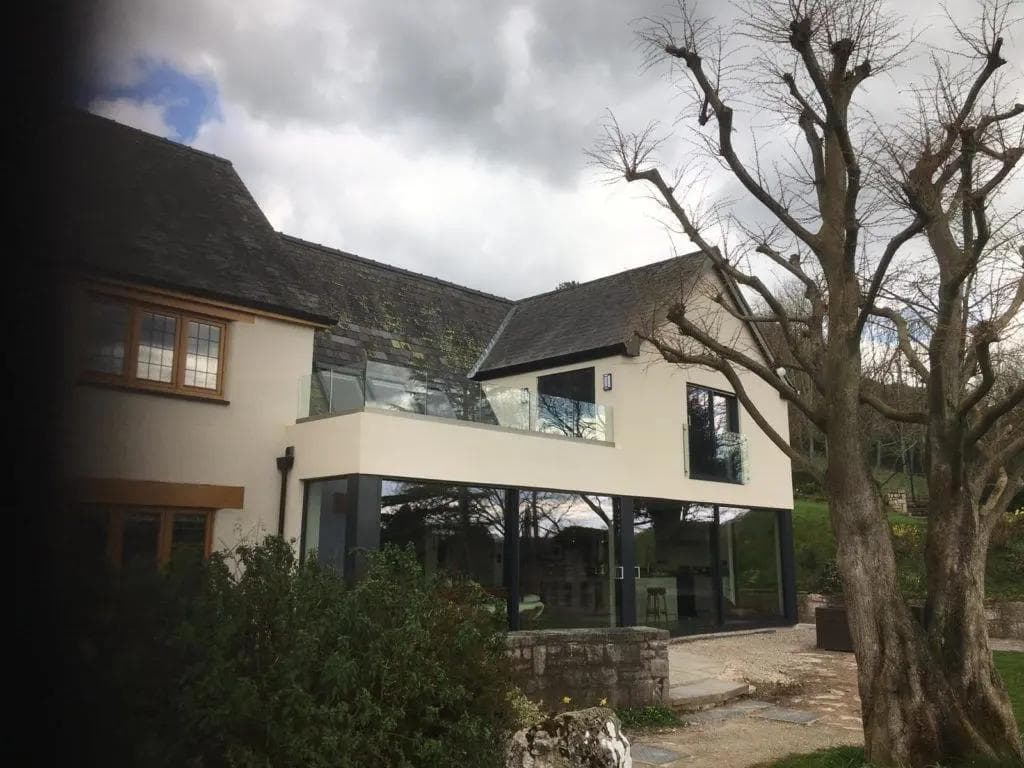
The technical side of frameless glass balustrades — barrier loadings, laminated glass, channel versus point fixings, and what UK Building Regulations actually require. Written for architects, specifiers and homeowners who want to understand the detail.

When it comes to modern home design, few features elevate a space quite like a sleek, bespoke glass balustrade.
📍 Lancashire